


Recovery from injury, illness, or surgery doesn’t happen in isolation. Your rehabilitation journey involves a carefully coordinated group of specialists, each bringing unique expertise to help you regain independence and improve your quality of life.
The healthcare team assembled for your care represents an interdisciplinary approach that addresses every aspect of your recovery. Rather than working in silos, these professionals collaborate daily, sharing insights and adjusting your treatment plan based on your progress and changing needs. This means your physical therapist communicates directly with your occupational therapist, who coordinates with your physician, who consults with your speech pathologist. The result? A comprehensive strategy tailored specifically to you.
Understanding who these specialists are and how they support your goals can transform anxiety into confidence. Your team typically includes physicians who oversee medical management, nurses who provide daily care and monitoring, physical therapists who rebuild strength and mobility, occupational therapists who restore daily living skills, and speech-language pathologists who address communication or swallowing challenges. Depending on your specific situation, you might also work with psychologists, social workers, case managers, and other specialists.
What makes this collaborative model so effective is personalized care. Your team doesn’t follow a one-size-fits-all protocol. They assess your individual needs, listen to your concerns, incorporate your personal goals, and adapt their strategies as you progress. You’re not just a patient receiving treatment. You’re an active participant in your recovery, supported by professionals committed to helping you achieve the best possible outcomes.
Why an Interdisciplinary Team Makes All the Difference
In traditional healthcare settings, you might see one specialist for your mobility challenges, another for pain management, and yet another for emotional support. Each works within their own lane, rarely crossing paths. This fragmented approach can leave you feeling like you’re managing multiple separate conditions rather than moving forward as one whole person recovering and rebuilding your life.
The interdisciplinary model flips this script entirely. Instead of operating in silos, specialists from different disciplines come together regularly to discuss your progress, share insights, and adjust your treatment plan as a unified team. Your physical therapist might notice patterns that inform what your occupational therapist addresses in daily living skills. Your speech therapist’s observations could lead your physician to adjust medications that affect communication. Everyone contributes their unique expertise to create a complete picture of your recovery journey.
This collaborative approach recognizes something fundamental: your recovery doesn’t happen in isolated body parts or separate symptoms. If you’re working to regain independence after a stroke, your physical strength connects directly to your confidence, which influences your motivation, which affects your social engagement. Research confirms that interdisciplinary teamwork improves outcomes compared to traditional fragmented care models.
The collaborative care planning process keeps you at the center. Your team meets regularly to review your progress, celebrate wins, and problem-solve challenges together. They don’t just talk about you; they talk with you, incorporating your goals and preferences into every decision. If something isn’t working, the team can pivot quickly because everyone’s already in sync.
This means fewer conflicting recommendations, less repetition of your medical history, and more time focused on actual healing. You get care that addresses not just what’s happened to your body, but how you want to live your life moving forward.

The Professionals on Your Rehabilitation Team
Physiotherapists: Restoring Movement and Function
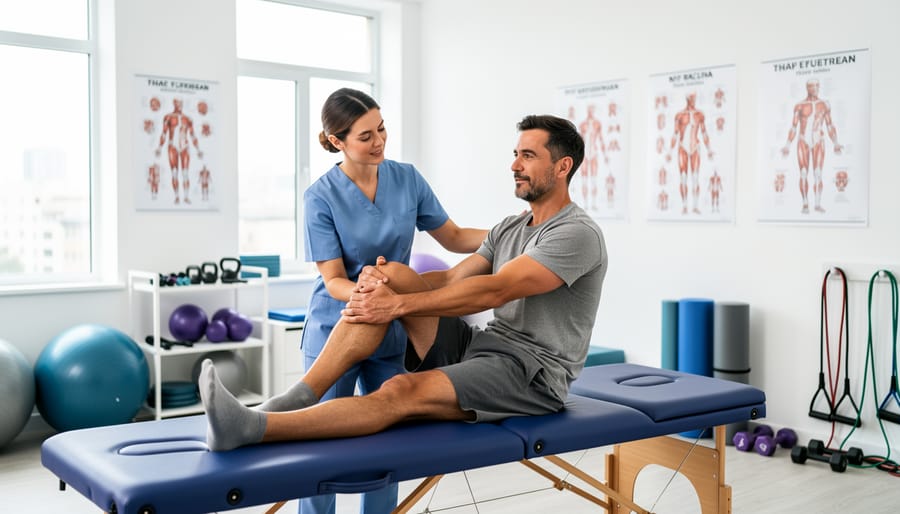
Physiotherapists play a central role in helping you regain independence and improve your quality of life after injury, illness, or surgery. These specialized professionals physical therapists assess and treat a wide range of physical limitations, from reduced mobility and balance issues to chronic pain and muscle weakness.
Your physiotherapist begins with a comprehensive evaluation of your current abilities, pain levels, and movement patterns. They then develop a personalized treatment plan tailored to your specific needs and goals. This might include hands-on manual therapy to reduce pain and stiffness, targeted exercises to rebuild strength, or specialized techniques to improve coordination and balance.
What sets physiotherapy apart is its focus on active participation in your recovery. Your therapist will teach you exercises and strategies you can practice independently, empowering you to take control of your healing process. They also work closely with other members of your healthcare team to ensure your treatment addresses all aspects of your condition.
Whether you’re recovering from a stroke, managing arthritis, or rehabilitating after an accident, your physiotherapist serves as both guide and advocate. They’ll adjust your program as you progress, celebrating milestones with you while continually challenging you to reach new levels of function and independence.
Occupational Therapists: Helping You Live Independently
Occupational therapists bring specialized expertise in helping you reclaim your ability to perform everyday activities that give your life meaning and purpose. These professionals focus on the tasks that matter most to you, whether that’s cooking meals for your family, managing personal hygiene, returning to work, or pursuing favorite hobbies.
Your occupational therapist evaluates how illness, injury, or disability affects your capacity to function independently. They assess fine motor skills like buttoning clothing or using utensils, as well as complex activities such as managing medications or driving. Through this personalized assessment, they identify specific barriers preventing you from doing what you want and need to do.
Treatment strategies might include exercises to rebuild hand strength and coordination, techniques to conserve energy during daily tasks, or recommendations for adaptive equipment that makes activities safer and easier. Occupational therapists excel at problem-solving, finding creative solutions that work within your unique circumstances.
They also evaluate your home and work environments, suggesting modifications that promote safety and independence. This might mean installing grab bars, reorganizing kitchen cabinets for easier access, or adapting workstations to accommodate physical limitations.
Working closely with your entire rehabilitation team, your occupational therapist ensures every intervention supports your personal goals. They help patients with daily living skills through hands-on training and ongoing support, celebrating each milestone as you regain confidence and autonomy in meaningful activities.
Speech-Language Pathologists: Communication and Swallowing Support
Speech-language pathologists play a vital role in helping patients regain their ability to communicate effectively and eat safely. These specialized clinicians assess and treat a wide range of challenges, from speech and language disorders following stroke or brain injury to voice problems and stuttering. Their expertise extends beyond speaking to include cognitive-communication skills like memory, attention, and problem-solving that are essential for daily interactions.
For many patients, swallowing difficulties present serious health risks. Speech-language pathologists evaluate swallowing function and develop personalized strategies to ensure safe eating and drinking, reducing the risk of aspiration and malnutrition. They work closely with dietitians to modify food textures and liquid consistencies while helping patients progress toward more normal eating patterns.
The collaborative nature of their work is central to patient success. Speech-language pathologists partner with occupational therapists, physical therapists, and other team members to address how communication challenges affect overall independence. A patient relearning to speak after a stroke, for example, benefits from coordinated support that connects language recovery with physical mobility and daily activities.
Treatment plans are always individualized, taking into account each person’s specific goals and life circumstances. Whether helping a child develop language skills or supporting an adult recovering communication abilities, speech-language pathologists combine clinical expertise with genuine encouragement. They celebrate every milestone, from first words spoken clearly to confidently participating in family conversations again.
Rehabilitation Specialists and Coordinators
At the center of your rehabilitation journey, specialists and coordinators serve as the essential connective tissue that holds your entire care experience together. These professionals ensure that nothing falls through the cracks as you move through different phases of recovery.
Rehabilitation coordinators maintain ongoing communication between all team members, organizing regular meetings where therapists, physicians, and support staff discuss your evolving needs. They track your progress across different treatment modalities, helping identify patterns and opportunities for adjustment. If your physical therapist notices improvements that suggest you’re ready for more advanced occupational therapy activities, your coordinator makes sure that information reaches the right people promptly.
These specialists also serve as your primary point of contact for questions about scheduling, treatment changes, or concerns that arise between appointments. They understand the bigger picture of your recovery goals and can explain how each component of your care plan contributes to your overall progress.
By managing documentation, coordinating appointments, and facilitating team collaboration, rehabilitation coordinators free up other healthcare providers to focus on delivering specialized care. This interdisciplinary coordination creates a smoother experience for you and your family, reducing confusion and ensuring everyone works toward the same objectives. Your coordinator becomes an advocate who understands your unique circumstances and keeps your personalized care plan moving forward efficiently.
Support Staff Who Keep Everything Running Smoothly
Behind every successful rehabilitation journey stands a dedicated team of support professionals whose contributions are essential to your daily progress. Administrative staff members coordinate appointments, manage communications, and ensure your records are accurate and accessible when needed. They serve as your first point of contact, answering questions and connecting you with the right resources.
Therapy assistants work alongside licensed therapists to reinforce your treatment plan, guide you through exercises, and monitor your progress during sessions. Their hands-on support allows for more personalized attention and helps maintain continuity in your care.
Other vital support roles include medical records specialists, scheduling coordinators, and patient advocates who address concerns and facilitate communication between you and your care team. Together, these professionals create an environment where healing can flourish. Their attention to detail and commitment to service ensures that logistics never interfere with your recovery. This collaborative approach means every member of our team, regardless of their title, shares a common goal: supporting your path toward improved health and independence.
How Your Team Works Together for You
Your rehabilitation journey involves more than individual appointments with different specialists. Behind the scenes, your healthcare team engages in structured collaboration designed to keep everyone aligned on your progress and goals.
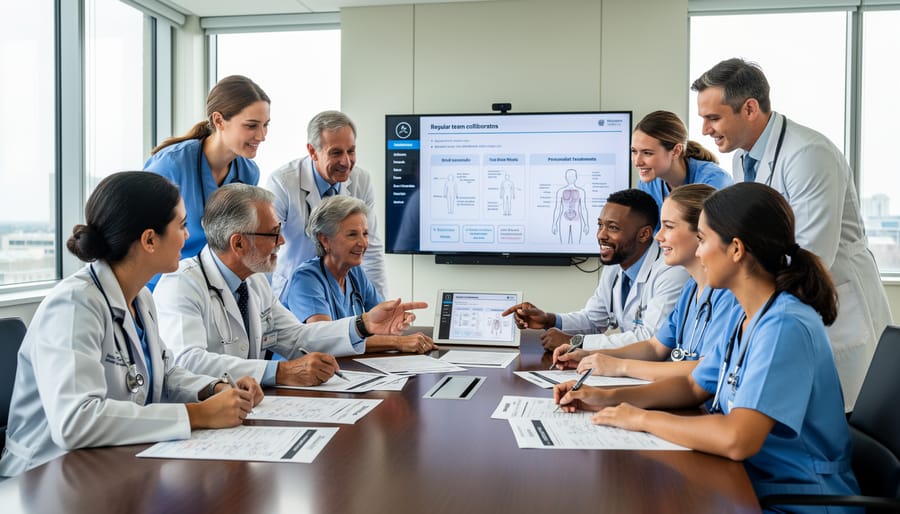
Team members communicate regularly through multiple channels. Weekly or biweekly case conferences bring together therapists, physicians, nurses, and other specialists to discuss your treatment plan. During these meetings, each professional shares observations from their unique perspective. Your physical therapist might report improvements in mobility, while your occupational therapist notes challenges with fine motor tasks. This exchange allows the team to identify patterns and adjust approaches accordingly.
Shared documentation systems ensure that every team member has access to current information about your care. When your speech therapist documents a new concern, your physician sees it immediately. When your doctor adjusts medication, your therapists know to watch for specific effects during sessions. This real-time information flow prevents gaps in care and ensures consistency across all your therapies.
Key collaboration practices include:
- Regular interdisciplinary team meetings to review progress and modify treatment plans
- Centralized electronic health records accessible to all team members
- Coordinated goal-setting that aligns therapy objectives across disciplines
- Family care conferences that welcome your input and questions
- Cross-training sessions where team members educate each other about discipline-specific approaches
You and your family remain at the center of every decision. Before making significant changes to your treatment plan, team members consult with you to understand your priorities and preferences. Your goals drive the collaboration. If returning to work is your primary aim, the entire team calibrates their efforts toward that outcome, whether through cognitive exercises, physical conditioning, or adaptive strategies.
This coordinated approach means you’re not navigating multiple separate treatments. You’re receiving truly integrated care where each element supports and enhances the others, all guided by your personalized recovery goals.
Your Role as Part of the Team
You are an essential member of your own rehabilitation team. Your active involvement directly influences the pace of your recovery and the quality of outcomes you’ll achieve. While our specialists bring their expertise and clinical knowledge, you bring something equally valuable: insight into your own body, your goals, and what matters most in your daily life.
Your input shapes every aspect of your treatment plan. During evaluations and regular check-ins, we want to hear about your pain levels, what activities you’re struggling with, and what you hope to accomplish. Maybe getting back to gardening matters more to you than running a marathon, or perhaps returning to work is your primary focus. These details help us design therapy that targets what truly matters to you.
Communication forms the foundation of effective rehabilitation. Don’t hesitate to ask questions about your diagnosis, treatment options, or why a particular exercise is part of your program. Understanding the reasoning behind your therapy helps you stay motivated and engaged. If something doesn’t feel right or you’re experiencing unexpected pain, speak up immediately. We can adjust techniques, modify exercises, or explore alternative approaches.
Active participation in therapy sessions makes a real difference. The effort you put in during appointments, combined with your commitment to home exercises, directly affects your progress. Think of therapy as a partnership where your therapist guides you, but you do the work that creates lasting change.
Your family members also play a supporting role. They can attend sessions to learn proper techniques, help you stay accountable to your home program, and provide encouragement during challenging moments. Our interdisciplinary approach embraces this wider circle of support because we know recovery happens both in the clinic and in your everyday environment. By taking ownership of your rehabilitation journey, you transform from a passive recipient of care into an empowered participant driving your own recovery forward.
What to Expect From Your First Team Consultation
Your first team consultation sets the foundation for your entire rehabilitation journey. Understanding what happens during this initial meeting can help you feel more prepared and confident as you begin.
The process typically starts before you even arrive. Your healthcare team will review any medical records, referrals, and background information sent by your physician. This preparation allows them to make the most of your time together.
Here’s what you can expect during your initial consultation:
- Welcome and introductions: You’ll meet the core team members who will be involved in your care. Each specialist will briefly explain their role and expertise.
- Comprehensive assessment: Team members will conduct evaluations specific to their discipline. This might include physical assessments, cognitive screenings, interviews about your daily activities, and discussions about your medical history.
- Information gathering: The team will ask questions about your current challenges, living situation, support system, and what you hope to achieve through rehabilitation.
- Collaborative discussion: While you may step out briefly, the team will discuss their findings and identify how different disciplines can work together to address your needs.
- Care plan presentation: The team will share their recommended treatment approach, explaining how each service connects to your specific goals.
- Goal setting: Together, you’ll establish clear, measurable objectives that reflect what matters most to you and your recovery.
This collaborative approach ensures everyone, including you, understands the path forward. Your input shapes the care plan because you know your life, priorities, and limitations better than anyone. The team’s role is to apply their expertise to help you achieve the outcomes you’ve identified.
Don’t hesitate to ask questions or share concerns during this consultation. The more open the communication, the more personalized and effective your care plan will be.
Recovery doesn’t happen in isolation. It’s the result of dedicated professionals working together with you at the center of every decision. At Mackay Therapy and Rehabilitation, our interdisciplinary healthcare team brings together diverse expertise to create a comprehensive approach tailored to your unique needs and goals.
Every member of our team plays a vital role in your progress, from physiotherapists and occupational therapists to speech pathologists, exercise physiologists, and support staff. We communicate regularly, share insights, and adjust your treatment plan as you advance. This collaborative approach means you benefit from multiple perspectives while experiencing seamless, coordinated care.
What truly sets us apart is our commitment to seeing you as a whole person, not just a condition to treat. We take time to understand your lifestyle, your aspirations, and what matters most to you. Your goals become our goals.
If you’re ready to begin your rehabilitation journey, we’re here to support you every step of the way. Reach out to our experienced team today. Together, we’ll help you regain strength, independence, and confidence in your abilities.