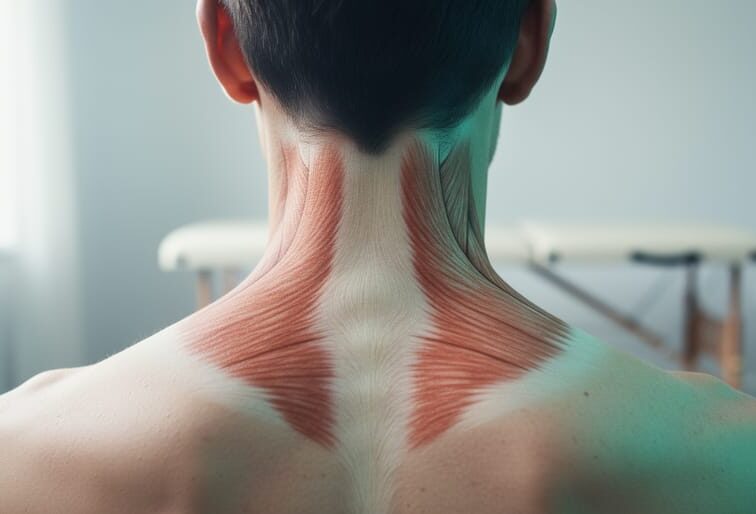
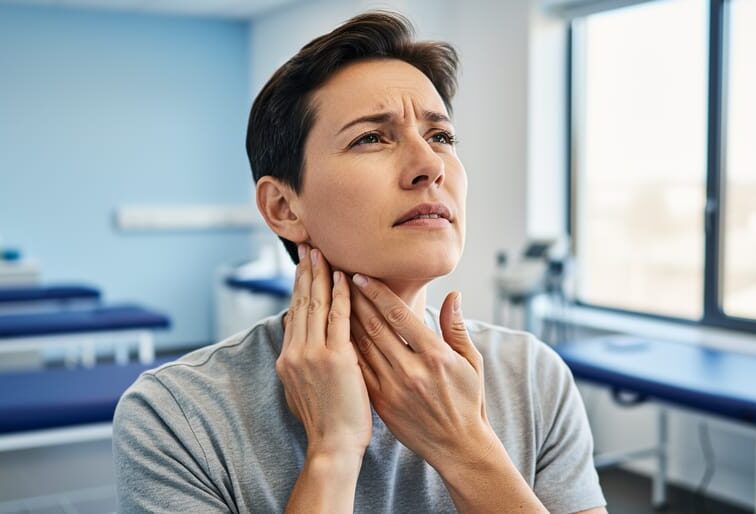
Person sitting in a rehabilitation clinic gently holding their neck, suggesting evaluation of neck pain and possible infection-related lymph node tenderness.

What Infections Cause Neck Pain? Causes and How to Fix It

Most neck pain stems from muscle strain or poor posture, but infection is the culprit when you notice fever, swelling, or pain that worsens despite rest. The quickest diagnostic check: press gently on your lymph nodes (those small, bean-shaped glands along your jawline and neck). If they’re tender, enlarged, or you’re running a temperature above 100.4°F, an infection is likely at play.
Infections causing neck pain range from common throat infections and swollen lymph nodes to more serious conditions like meningitis or spinal …
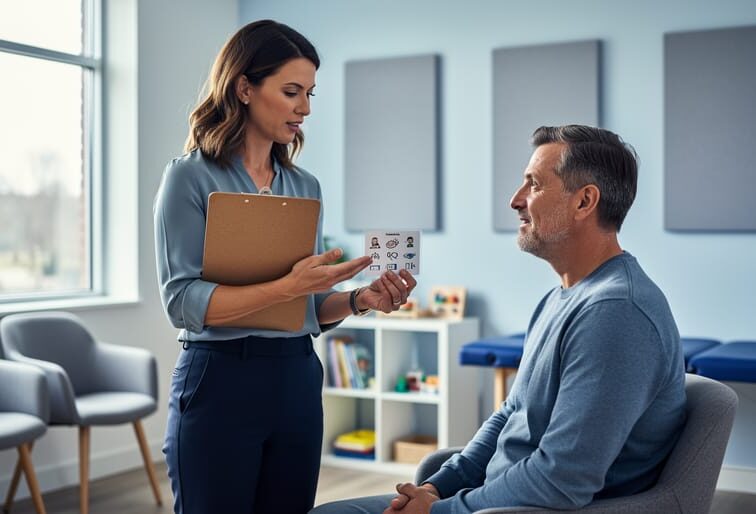
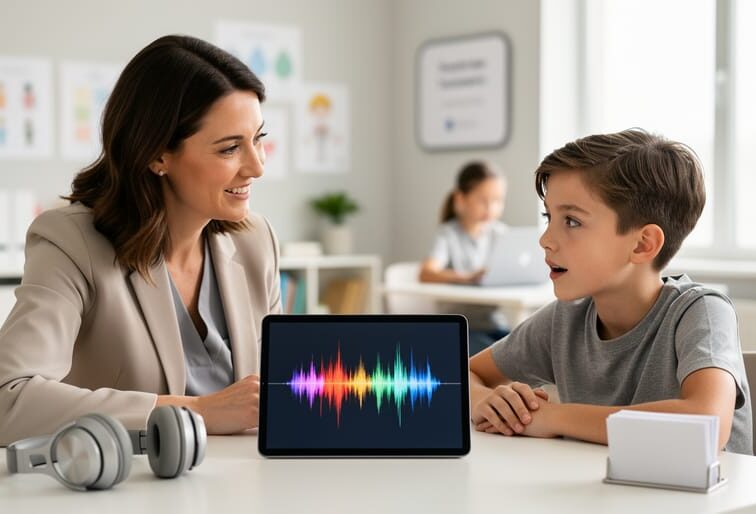
Speech-language pathologist and patient in a therapy room during a focused communication session, with clinician holding a clipboard and gesturing toward a non-text communication card.

What Is a Speech-Language Pathology Services Credential (and Why Does It Matter)?

A speech-language pathology services credential is a professional qualification that verifies a clinician has completed the rigorous education, clinical training, and national examination required to assess and treat communication and swallowing disorders. These credentials, most commonly the Certificate of Clinical Competence in Speech-Language Pathology (CCC-SLP) awarded by the American Speech-Language-Hearing Association, serve as your assurance that a practitioner meets nationally recognized standards of expertise.
When you or a loved one needs help with speech, language, voice, or swallowing challenges, understanding these …

Occupational therapist helping a child with fine-motor play while a parent watches in a pediatric therapy clinic.

Why Pediatric Occupational Therapy Works: The Essential Building Blocks Your Child Needs

Pediatric occupational therapy builds the essential skills children need to participate fully in daily life, from self-care and play to learning and social interaction. When developmental challenges, sensory processing differences, or physical limitations create barriers, a structured approach using core therapeutic principles helps children gain independence and confidence. These foundational elements work together through personalized assessment, targeted intervention, and family collaboration to address each child’s unique needs.
The foundation of effective pediatric occupational therapy rests on understanding how children …

Close-up of the back of a person’s neck and upper shoulders, suggesting discomfort at the base of the skull near the top of the spine.

What Is Pain Under the Neck (and What Causes It)?

Pain under the neck refers to discomfort or aching in the area where the base of your skull meets the top of your spine and shoulders, often radiating into the upper back or between the shoulder blades. This common complaint affects millions of people and can range from a mild nuisance to a debilitating condition that interferes with daily activities, work, and sleep.
Most people experiencing this pain want to know three things right away: what’s causing it, whether it’s something serious, and what they can do to feel better. The good news is that the majority of cases stem from treatable causes like muscle strain, poor …

A speech pathologist working with a young client during speech therapy in a modern clinic setting with supportive, technology-free visual cues and no readable text.

10 Rewarding Places Speech Pathologists Work in 2026

Speech pathologists work in more than a dozen distinct settings across healthcare, education, and private practice, from neonatal intensive care units to corporate wellness programs. Whether you’re considering a career in speech-language pathology or searching for services for yourself or a loved one, understanding these diverse practice environments helps you find the right fit for your goals and needs.
The breadth of opportunities in this field reflects …

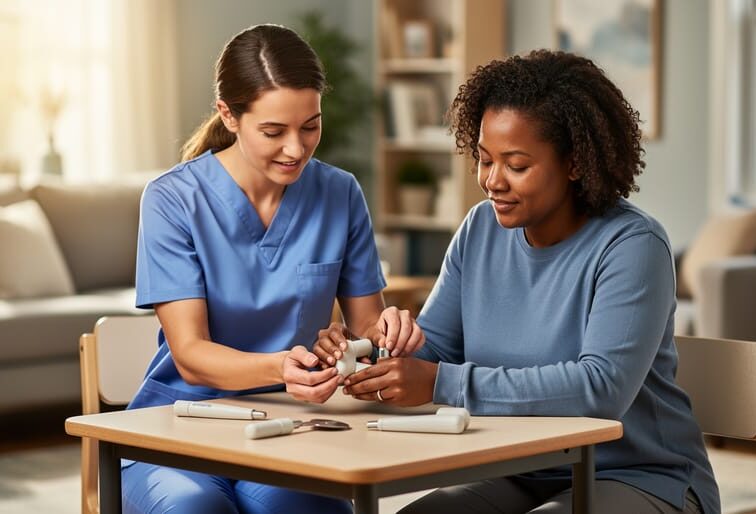
An occupational therapist helping a client practice a daily living task in a home setting using adaptive equipment.

Occupational Therapy Service Delivery Models: How They Work, Eligibility, and How to Access Care

Occupational therapy service delivery models determine where, when, and how you or your loved one receives OT care, and choosing the right model can significantly impact therapy outcomes and quality of life. These models range from one-on-one sessions in a clinic to support provided in your home, workplace, or community setting. Each approach offers distinct advantages depending on individual goals, health conditions, and daily routines.
Understanding these models matters because therapy isn’t one-size-fits-all. A child with developmental delays may thrive with school-based services integrated into their classroom routine, …

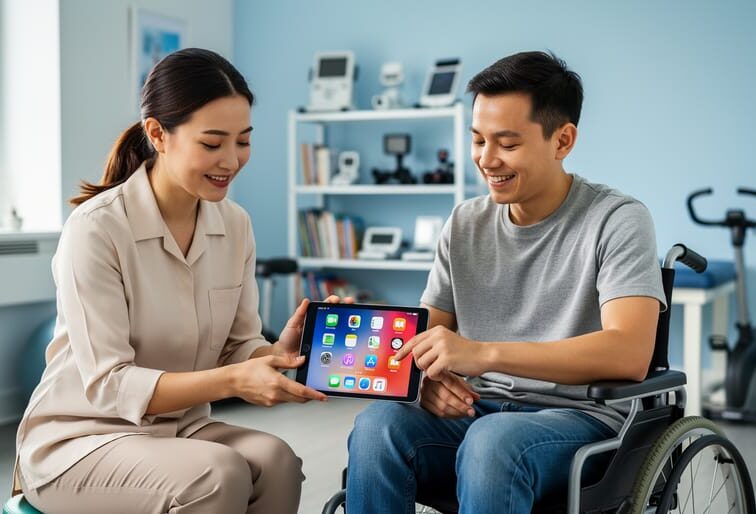
Assistive technology specialist demonstrating an accessible tablet to a person using a wheelchair in a therapy room.

HDI Center for Assistive Technology Services (CATS): Your Regional Resource for AT Support in Lexington

The HDI Center for Assistive Technology Services (CATS) is the regional Assistive Technology Regional Center serving Lexington and surrounding Kentucky communities, offering hands-on access to assistive devices through a lending library, demonstrations, and training programs designed to help individuals with disabilities explore technology solutions before making purchasing decisions.
Located at 2358 Nicholasville Road in Lexington, HDI CATS addresses a common challenge many people face: how do you know which assistive technology will actually work for your specific needs without trying it first? This facility provides the answer …

Therapist guiding a patient’s hand while using a balance board in a modern rehabilitation clinic with a care team in the background.

What Is Personalized Recovery? (and How It Transforms Rehabilitation)

Personalized recovery is an approach to rehabilitation that designs treatment plans around each individual’s unique physical, emotional, and lifestyle needs rather than applying a one-size-fits-all protocol. This means your care team considers your specific condition, goals, support system, and daily responsibilities when building your path to healing.
Traditional recovery programs often follow standardized timelines and methods, but personalized care recognizes that two people with the same diagnosis may need completely different support. A young athlete recovering from a sports injury faces different challenges than a …

A physiotherapist assists an older adult with a mobility exercise in a bright living room, showing safe personalized in-home care.

MaxAtHome Physiotherapy Services: Professional In-Home Care for Your Recovery

MaxAtHome physiotherapy brings professional rehabilitation directly to your doorstep, delivering personalized, clinic-quality treatment in the comfort and convenience of your own living space. This service is designed for anyone who finds it difficult to travel to a clinic, whether due to mobility challenges, post-surgical recovery, chronic conditions, or simply the demands of a busy schedule caring for family members.
In-home physiotherapy offers the same evidence-based treatments you’d receive in a traditional clinic setting, but with a crucial advantage: your therapist works with you in the environment where you actually …

A physiatrist in a rehabilitation clinic assisting a patient with a gentle mobility exercise on a therapy mat.

Why Your Recovery Might Need a Physiatrist (Not Just a Surgeon)

A physiatrist is a doctor who specializes in Physical Medicine and Rehabilitation (PM&R), treating conditions affecting the skeletal and nervous systems through non-surgical approaches that reduce pain and restore function. These nerve, muscle, bone, and brain experts take a comprehensive view of your health, focusing not just on treating symptoms but on helping you regain the highest possible quality of life after injury or illness.
If you’ve been told you need surgery for back pain, lost …