


Occupational therapy service delivery models determine where, when, and how you or your loved one receives OT care, and choosing the right model can significantly impact therapy outcomes and quality of life. These models range from one-on-one sessions in a clinic to support provided in your home, workplace, or community setting. Each approach offers distinct advantages depending on individual goals, health conditions, and daily routines.
Understanding these models matters because therapy isn’t one-size-fits-all. A child with developmental delays may thrive with school-based services integrated into their classroom routine, while an adult recovering from a stroke might benefit most from home-based therapy that addresses real-world challenges in their own environment. The model you choose shapes everything from session frequency and duration to how skills learned in therapy transfer into everyday activities.
The landscape of occupational therapy delivery has evolved considerably to meet diverse needs. Traditional direct service models, where therapists work face-to-face with clients, remain foundational. But consultative models, group-based interventions, and telehealth options now provide flexibility that wasn’t available even a few years ago. Each model serves specific populations and circumstances, and many people benefit from a combination of approaches throughout their therapy journey.
Making an informed choice about service delivery requires understanding what each model offers, who qualifies for different types of services, and how to access them. This guide walks you through the core models used in 2026, explains eligibility criteria, outlines the process for requesting services, clarifies your rights as a client, and points you toward resources that can help you navigate your options with confidence.
What Are Occupational Therapy Service Delivery Models?
Occupational therapy service delivery models are structured frameworks that determine how therapy services are provided to clients, shaping everything from where sessions occur to who participates in the therapeutic process. These models aren’t one-size-fits-all approaches, they’re flexible systems designed to match the unique needs, goals, and circumstances of each individual receiving care. At their core, service delivery models answer critical questions: Will therapy happen in a clinic, at home, or in a community setting? Will the therapist work directly with the client, or guide others who interact with them daily? How frequently will sessions occur, and who else should be involved?
The purpose of these models extends beyond simple logistics. They directly influence therapy outcomes by ensuring care is delivered in the most effective context for each person. A child with developmental delays might benefit most from therapy integrated into their classroom routine, while an adult recovering from a stroke may need intensive one-on-one sessions in a clinical setting. The right model creates an environment where therapeutic strategies can be learned, practiced, and sustained in real-world situations.
Over the past decades, occupational therapy service delivery has evolved significantly. Traditional approaches focused primarily on direct, clinic-based treatment sessions. Modern practice recognizes that sustainable outcomes require therapy to extend into the places where people live, work, learn, and play. This evolution reflects growing evidence that skills learned in isolation don’t always transfer to daily life, meaningful change happens when therapy meets people where they are.
The interdisciplinary team plays a crucial role in determining and implementing the appropriate service delivery model. Occupational therapists collaborate with physicians, physiotherapists, speech-language pathologists, educators, and family members to create a comprehensive care approach. This teamwork ensures that the chosen model doesn’t just suit the client’s therapeutic needs but also coordinates smoothly with other services they’re receiving.
Service delivery models are fundamental to personalized recovery because they acknowledge that effective therapy must adapt to individual circumstances. A working parent might need flexible scheduling and home-based strategies, while someone in a care facility may benefit from integrated programming throughout their day. The model becomes the vehicle through which evidence-based interventions reach the client in the most practical, sustainable way possible, transforming clinical expertise into lasting functional improvement.
Types of Occupational Therapy Service Delivery Models
Direct Service Model

The direct service model represents the traditional approach to occupational therapy, where a therapist works one-on-one with clients in scheduled sessions. During these appointments, the occupational therapist conducts assessments, develops treatment plans, and implements therapeutic interventions directly with the individual.
This model works best for clients who need intensive skill-building, hands-on techniques, or individualized attention to address specific functional goals. Sessions typically occur in clinical settings, though therapists may also provide direct services in homes, schools, or community environments depending on the client’s needs.
The therapist maintains full control over the intervention process, adjusting techniques in real-time based on the client’s responses and progress. This personalized approach allows for precise targeting of motor skills, cognitive abilities, sensory processing challenges, or daily living tasks that require expert guidance and immediate feedback.
Consultative Model

In the consultative model, the occupational therapist acts as an expert advisor rather than providing direct hands-on therapy. The therapist evaluates the client, then trains caregivers, teachers, classroom aides, or other professionals to carry out therapeutic strategies and interventions throughout the day. This approach works particularly well when consistent implementation across multiple environments is crucial, for example, helping a teacher modify classroom tasks for a child with fine motor challenges, or coaching parents to integrate sensory strategies into daily routines at home.
The therapist typically conducts periodic observations and check-ins to assess progress, adjust recommendations, and provide ongoing training as needs evolve. This model extends the reach of therapy beyond scheduled sessions, allowing clients to practice skills in their natural settings with people they interact with regularly. It’s especially effective when the client’s support network is engaged and capable of following through with the recommended techniques.
Collaborative/Integrated Model
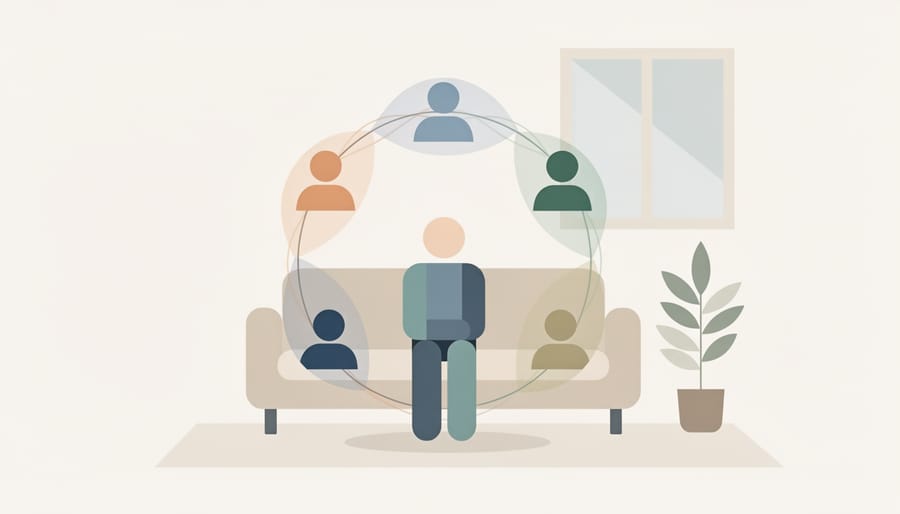
In this model, the occupational therapist integrates therapy directly into the client’s everyday setting, whether at home, school, workplace, or community space, working alongside family members, teachers, support workers, and other healthcare professionals. Rather than isolating therapy in a clinical room, the therapist observes how the client functions in real-life situations and collaborates with the people who interact with them daily. For instance, a therapist might visit a child’s classroom to adapt activities with the teacher, or provide in-home care that includes coaching parents on mealtime routines and self-care strategies. This approach ensures therapy goals are practiced consistently throughout the day, embedded in meaningful activities, and supported by the client’s entire care team, making progress more sustainable and contextually relevant.
Monitoring Model

The monitoring model provides ongoing support through scheduled check-ins rather than continuous therapy sessions. This approach works well for clients who have achieved their primary goals and developed the skills and strategies needed to maintain their progress independently. Between periodic visits, clients practice their learned techniques in daily life while the therapist tracks outcomes and addresses any emerging challenges.
During monitoring appointments, the occupational therapist reviews the client’s functional abilities, assesses whether previous strategies remain effective, and modifies the care plan if circumstances change. This model proves particularly valuable for clients managing chronic conditions or those transitioning from intensive therapy to independent living. For clients continuing remote support, e-rehab recovery monitoring can happen through telehealth check-ins, allowing flexible oversight without requiring in-person visits.
The frequency of monitoring varies based on individual stability, some clients need monthly reviews while others benefit from quarterly assessments. This model balances independence with professional accountability, ensuring gains don’t erode while avoiding unnecessary intervention.
Who Qualifies for Different Service Delivery Models
Eligibility for different occupational therapy service delivery models isn’t determined by a single checklist. Instead, your occupational therapist conducts a comprehensive needs assessment that looks at your complete picture, your diagnosis, functional abilities, living environment, support network, and personal goals. This assessment guides the therapy team in matching you with the model or combination of models that will deliver the best outcomes for your specific situation.
The needs assessment typically begins with a thorough evaluation of your current functional abilities and limitations. Your therapist will observe how you perform daily activities, ask detailed questions about what you want to achieve, and gather information from family members, caregivers, or other professionals already working with you. This initial evaluation reveals not just what challenges you face, but also your strengths, resources, and readiness for different types of intervention.
Several interconnected factors shape which service delivery model best fits your needs:
- Your diagnosis and the nature of your condition, progressive, stable, or improving
- Specific functional goals you want to achieve in daily life
- The environment where you spend most of your time and need to function
- Availability and capability of family members, caregivers, or other support personnel
- Your learning style and ability to carry out strategies independently
- Frequency and intensity of therapy needed based on your condition
- Access to transportation and ability to attend clinic-based sessions
- Presence of other professionals on your care team who could collaborate
The decision about which model to use is genuinely collaborative. While your occupational therapist brings professional expertise about what typically works for specific conditions, you and your family provide essential insight into what’s realistic and sustainable in your daily life. At Mackay Therapy and Rehabilitation, the interdisciplinary team discusses each case to ensure all perspectives inform the recommendation.
It’s worth knowing that your service delivery model can change as your needs evolve. Someone might start with intensive direct services after an injury, transition to a consultative model as they improve, then shift to monitoring for long-term maintenance. Your therapist will regularly reassess whether the current approach still serves you best.
How to Access and Request a Specific Service Delivery Model
Accessing the right occupational therapy service delivery model starts with a straightforward referral and assessment process. Whether you’re a parent seeking help for your child, an adult recovering from an injury, or a healthcare professional coordinating care, understanding the pathway makes the process less overwhelming.
Initial Referral and Contact
The first step is contacting an occupational therapy provider like Mackay Therapy and Rehabilitation directly. You don’t always need a physician’s referral, many therapists accept self-referrals or inquiries from family members. However, if you’re using insurance or seeking publicly funded services, a referral from your doctor, pediatrician, or specialist typically streamlines the approval process. When you reach out, be prepared to briefly describe your concerns, current functional challenges, and what you hope to achieve through therapy.
Comprehensive Initial Assessment
Once you’re connected with a therapist, they’ll conduct a thorough initial evaluation. This isn’t just a checklist, it’s a collaborative conversation exploring your daily routines, goals, environment, and support system. The therapist observes how you perform tasks, asks about what’s working and what’s frustrating, and considers your preferences for how you’d like to receive care. They’ll also assess whether you have caregivers who could implement strategies, whether you need hands-on skill building, or if periodic monitoring would maintain your progress. This assessment directly informs which service delivery model will serve you best.
Matching You With the Right Model
Based on the evaluation findings, your therapist recommends a service delivery approach, or combination of approaches, tailored to your situation. They’ll explain why they’re suggesting direct therapy sessions versus a consultative model where they guide your teacher or caregiver, for example. This isn’t a take-it-or-leave-it decision. You’re encouraged to ask questions, express concerns about logistics like scheduling or location, and discuss whether options like tele-rehab support might work better for your circumstances.
Developing and Adjusting Your Care Plan
Once the model is selected, you and your therapist create a detailed care plan outlining specific goals, intervention strategies, frequency of contact, and timelines for reassessment. These plans aren’t static. As you progress, or if barriers emerge, your therapist adjusts the approach. You might start with intensive direct sessions then transition to a monitoring model, or shift from consultative to collaborative if your needs change. Regular communication keeps the plan aligned with your evolving goals and circumstances, ensuring the service delivery model continues serving you effectively.
Your Rights and Responsibilities in Service Delivery
Understanding your rights and responsibilities in occupational therapy service delivery helps you actively participate in your care and get the best outcomes from your therapy program.
Your Rights as a Client
You have the right to be fully informed about your occupational therapy services before they begin. This includes clear explanations of the recommended service delivery model, why it’s appropriate for your needs, what the therapy will involve, expected outcomes, and any potential risks or limitations. Your therapist should present this information in language you understand, and you have the right to ask questions until you feel confident about the proposed approach.
Informed consent is a fundamental right, you can accept or decline any recommended service delivery model. If you’re uncomfortable with a suggested approach, you’re entitled to discuss alternatives with your therapy team. Your privacy is protected under healthcare confidentiality laws, meaning your personal information and therapy records remain secure and are only shared with your consent or as required by law.
You also have the right to quality care that respects your dignity, cultural background, and personal values. This includes receiving services from qualified professionals who maintain current knowledge and skills in their field.
Your Responsibilities as a Client
Active participation significantly affects therapy outcomes. Your responsibilities include attending scheduled sessions, completing recommended home exercises or activities, and practicing strategies between therapy visits. Consistency helps reinforce new skills and speeds progress toward your goals.
Open communication with your therapy team is essential. Share honest feedback about what’s working and what isn’t, report any changes in your condition or circumstances, and voice concerns before they become obstacles to progress. If you can’t attend a session, provide reasonable notice so your therapist can adjust scheduling.
Collaboration extends beyond your therapist. If your service delivery model involves caregivers, teachers, or other professionals, you’re expected to support their efforts and maintain consistent approaches across environments. This teamwork creates the supportive structure that makes therapy effective in real-world settings.
How Service Delivery Models Are Implemented at Mackay Therapy and Rehabilitation
At Mackay Therapy and Rehabilitation, service delivery models shift with each client’s unique circumstances rather than following a rigid framework. A seven-year-old with autism might start with direct, intensive sessions three times weekly to build foundational skills in sensory regulation and fine motor control. As the child progresses, the therapist transitions to a consultative model, coaching teachers and parents to embed strategies throughout the school day and home routines. Six months later, monitoring check-ins every four weeks ensure progress holds without unnecessary appointments.
For adults recovering from stroke or traumatic brain injury, the interdisciplinary team typically begins with direct service in our clinic setting where the occupational therapist works closely with physiotherapists and speech pathologists. Once basic function returns, the model shifts to collaborative, with the therapist visiting the client’s home to problem-solve real barriers, how to dress independently, prepare meals safely, or navigate community spaces. This integrated approach means strategies develop in the actual environments where they matter most.
Mental health clients often benefit from blended models. Someone managing severe anxiety might receive direct therapy weekly to practice grounding techniques and cognitive strategies, while the therapist simultaneously consults with their GP and psychologist to align treatment approaches. As symptoms stabilize, the model shifts toward monitoring with monthly sessions that catch early warning signs before setbacks occur.
Physical disabilities require flexibility too. A teenager with cerebral palsy might need direct service for specialized equipment training, consultative support for their school’s physical education teacher, and collaborative sessions where the therapist joins family outings to address mobility challenges in real-world settings. The model adjusts as priorities change, preparing for university, learning to drive, or transitioning to independent living.
What makes this work is the team’s willingness to change course. No client stays locked into one model because their diagnosis fits a category. Instead, therapists review delivery methods every few sessions, asking whether the current approach still serves the client’s evolving goals. Parents and clients participate in these decisions, voicing what feels helpful and what doesn’t. This responsive, personalized framework ensures therapy adapts to life rather than forcing life to adapt to therapy schedules.
Where to Get Help and Additional Support
Finding the right occupational therapy support starts with reaching out to providers who understand that effective care depends on matching the service delivery model to your unique needs and circumstances. At Mackay Therapy and Rehabilitation, the intake team works with you to explore which model best fits your situation, whether you need direct one-on-one sessions, consultative support for your care team, or an integrated approach that brings therapy into your daily environment.
When you contact Mackay for an initial consultation, come prepared with questions that help clarify how services will be delivered and adjusted over time:
- Which service delivery model do you recommend for my specific needs, and why?
- How often will my care plan be reviewed and adjusted?
- Can I switch between models if my needs change?
- Who else will be involved in my care, and how will you coordinate with them?
- What does my participation look like in each model you’re considering?
- How will progress be measured and communicated to me?
Healthcare professionals and community partners play a vital role in ensuring clients receive appropriate service models. Physicians, educators, social workers, and other providers can collaborate with Mackay’s interdisciplinary team by sharing relevant assessments, participating in care planning meetings, and communicating about changes in a client’s circumstances that might warrant a different approach.
If you feel the current service delivery model isn’t meeting your needs, you have the right to advocate for a reassessment. Document specific challenges you’re experiencing, bring them to your therapist’s attention, and request a review of whether a different model might be more effective. This kind of open communication is essential to transforming rehabilitation from a one-size-fits-all approach into truly personalized care that evolves with you.
How to Apply or Complete the Process
Getting started with occupational therapy services at Mackay Therapy and Rehabilitation follows a straightforward process designed to match you with the most appropriate service delivery model for your needs.
The process typically begins with a referral. You can self-refer by contacting our clinic directly, or your GP, specialist, or other healthcare provider can submit a referral on your behalf. Many clients come through hospital discharge planning teams, early intervention programs, or school-based referrals.
Once we receive your referral, our intake coordinator will contact you to schedule an initial assessment. During this conversation, you’ll discuss your primary concerns, therapy goals, and any relevant medical history. This helps us assign the right occupational therapist with expertise in your specific area of need.
The initial assessment session allows your therapist to evaluate your functional abilities, environmental factors, and personal goals. Based on this comprehensive evaluation, your therapist will recommend the most suitable service delivery model, whether direct service, consultative, collaborative, or monitoring, and develop a personalized care plan.
If you’re accessing services through NDIS, WorkCover, or private health insurance, you’ll need to provide relevant documentation and funding details during intake. Our administrative team will verify your coverage and explain any out-of-pocket costs before therapy begins, ensuring complete transparency about financial responsibilities.
Common Questions About Occupational Therapy Service Delivery Models
Can I switch service delivery models during my therapy?
Yes, service delivery models can and should change as your needs evolve. Your occupational therapist will regularly reassess progress and may recommend transitioning between models, for example, moving from direct service to a consultative model as skills improve and independence increases.
How long does therapy typically last under each model?
Duration varies significantly based on individual needs and goals. Direct service models might involve weekly sessions over several months, while consultative or monitoring models may extend longer with less frequent contact, perhaps monthly check-ins over a year or more as skills are maintained in real-world settings.
Will insurance cover different service delivery models equally?
Coverage varies by insurance provider and plan. Direct service models are typically well-covered, but consultative or monitoring approaches may be reimbursed differently. Contact your insurance provider and discuss coverage with the therapy team during your initial consultation to understand your specific benefits.
What if the recommended model doesn’t fit my schedule or environment?
Communicate your constraints openly with your therapist. The team can often adapt the approach, combining elements of different models, adjusting session timing, or incorporating telehealth options, to create a flexible plan that meets both therapeutic goals and practical realities of your daily life.
Beyond these common questions, families often wonder whether combining multiple models simultaneously is possible. In practice, many clients benefit from a hybrid approach. A child might receive direct service for specific skill-building while their teacher simultaneously receives consultative support to reinforce strategies in the classroom. This combination ensures consistency across environments and maximizes progress.
The effectiveness of each model depends heavily on the match between your specific needs and the approach used. Research and clinical experience at Mackay show that when the right model aligns with your goals, living situation, and support system, outcomes improve dramatically. This is why the initial assessment process takes time to gather comprehensive information rather than defaulting to a one-size-fits-all approach.
Cost concerns are valid and worth discussing upfront. While direct service typically involves higher per-session costs, consultative models can be more cost-effective over time by empowering others to support your progress daily. The interdisciplinary team at Mackay can help you understand the financial implications of different models and work within your budget to design an effective plan.
Finally, remember that questioning or requesting adjustments to your service delivery model is encouraged, not discouraged. Your active participation in these decisions reflects the patient-centered philosophy that makes occupational therapy effective. If something isn’t working, speak up, the model should serve you, not the other way around.
Choosing the right occupational therapy service delivery model isn’t a one-size-fits-all decision, it’s a collaborative process that should reflect your unique needs, goals, and circumstances. Whether you benefit most from direct one-on-one sessions, a consultative approach that empowers your support network, or an integrated model within your daily environment, the model should adapt as you progress, not the other way around.
Don’t hesitate to ask questions, voice preferences, and advocate for changes if your current approach isn’t working. Your therapy plan should be as dynamic as your recovery journey, responding to new challenges and celebrating milestones along the way.
At Mackay Therapy and Rehabilitation, our interdisciplinary team recognizes that effective care means listening first, then tailoring our approach to fit your life. We’re committed to flexibility, adjusting service delivery models when your situation changes, combining approaches when needed, and always keeping you at the center of decision-making. Your progress guides our methods, ensuring therapy remains practical, accessible, and genuinely supportive of the independence and quality of life you’re working toward.