
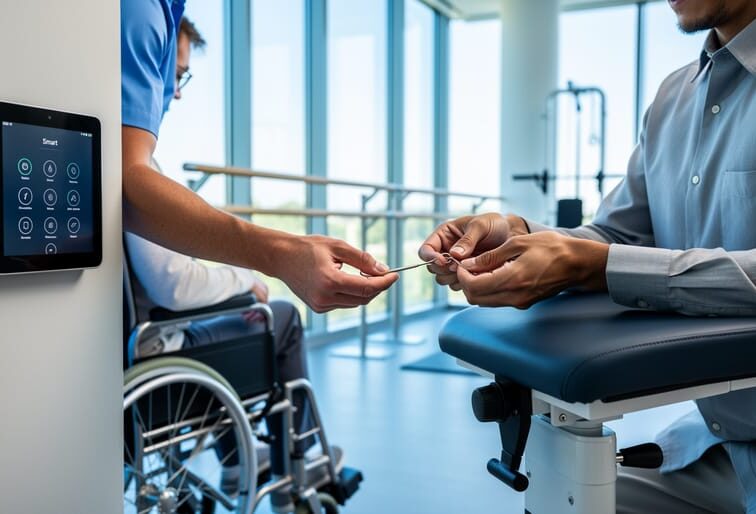

Assistive technology transforms the rehabilitation journey for people with disabilities by restoring independence, supporting recovery, and improving daily function through devices ranging from adaptive mobility aids and communication systems to smart home controls and specialized software. These tools work alongside personalized therapy to help individuals regain skills, compensate for limitations, and participate fully in work, education, and community life.
At its core, effective assistive technology in rehabilitation is never one-size-fits-all. The right solution emerges from careful assessment of each person’s abilities, goals, and environment. A stroke survivor relearning to dress might benefit from button hooks and adaptive clothing, while someone with a spinal cord injury may need a power wheelchair with environmental controls. The technology itself is only part of the equation. Success depends on proper training, ongoing adjustments, and integration with therapeutic goals set by an interdisciplinary team of occupational therapists, physiotherapists, speech-language pathologists, and other specialists.
The field is advancing rapidly. This November, the Canadian Disability Tech Summit 2026 will bring together healthcare professionals, researchers, policymakers, and innovators at Toronto’s Exhibition Place on November 18 to showcase emerging assistive solutions and foster collaboration across the accessibility ecosystem. This momentum reflects growing recognition that technology, when thoughtfully matched to individual needs, can bridge gaps that traditional therapy alone cannot close.
For families and patients exploring these options, understanding what’s available and how to access it makes all the difference. The following guide explains the categories of assistive technology used in rehabilitation, how professionals assess and recommend devices, and practical steps to obtain funding and support for the tools that can change lives.
What Is Assistive Technology in Rehabilitation?
Assistive technology in rehabilitation refers to any device, piece of equipment, or system that helps individuals with disabilities perform tasks they might otherwise find difficult or impossible. These solutions range from simple, low-tech tools like adapted utensils and grab bars to sophisticated, high-tech systems including voice-controlled environmental controls and computer-assisted communication devices.
The core purpose of assistive technology is to bridge the gap between a person’s abilities and the demands of their environment. When someone experiences a disability, whether from injury, illness, or a congenital condition, assistive technology provides practical solutions that support independence, safety, and meaningful participation in daily activities. This might mean a wheelchair that enables mobility, a specialized keyboard that allows someone to work, or a medication reminder system that supports cognitive function.
- Adaptive Devices
- Modified or specially designed tools that help individuals perform specific tasks independently, such as button hooks for dressing or weighted utensils for eating.
- Mobility Aids
- Equipment that supports movement and positioning, including wheelchairs, walkers, canes, prosthetics, and orthotics that enable individuals to navigate their environment safely.
- Communication Tools
- Devices and systems that facilitate expression and interaction, from speech-generating devices to specialized software that converts text to speech or tracks eye movements.
- Environmental Control Systems
- Technology that allows individuals to manage their surroundings, such as voice-activated lights, smart home controls, or switch-operated appliances that promote household independence.
In rehabilitation settings, assistive technology serves as more than just equipment. It becomes an integral part of the recovery and adaptation process. Rehabilitation professionals use these tools to help individuals regain lost function, compensate for permanent limitations, and achieve their personal goals. A physiotherapist might introduce a specialized walker to support gait training, while an occupational therapist could recommend adaptive kitchen tools that make meal preparation possible again.
The connection between assistive technology and rehabilitation goals is direct: both aim to maximize function, independence, and quality of life. Technology doesn’t replace therapy but rather enhances it, providing ongoing support that extends the benefits of rehabilitation beyond clinical sessions into everyday life.
The Interdisciplinary Approach to Assistive Technology
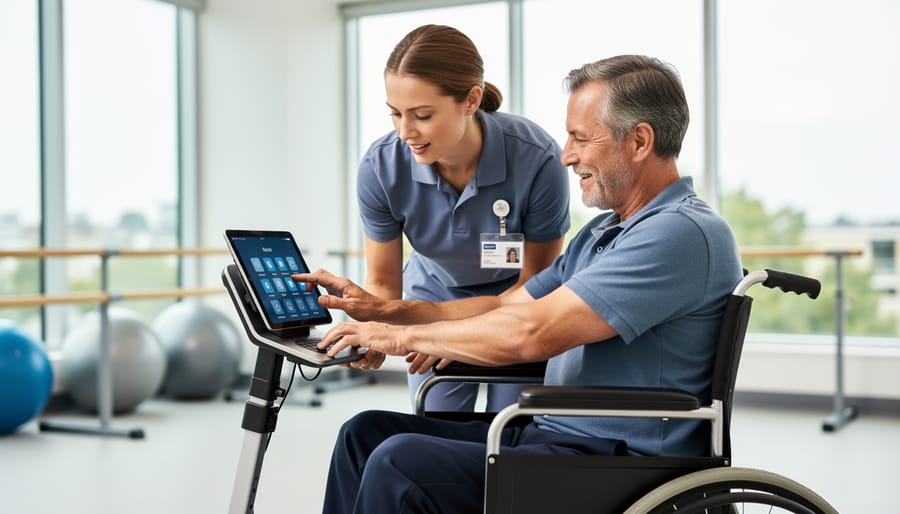
Assessment and Personalized Matching
Finding the right assistive technology starts with a thorough evaluation that looks beyond the disability itself to understand the whole person. Rehabilitation professionals begin by assessing current physical, cognitive, and sensory abilities, identifying both strengths and areas where support would be beneficial. This process includes observing how someone performs daily tasks, understanding their living and work environments, and discussing what matters most to them, whether that’s returning to work, caring for family, or simply regaining confidence in their home.
Goals shape every recommendation. Someone recovering from a stroke might need different solutions than a person managing progressive mobility loss, even if both require mobility support. The assessment considers practical factors like whether technology needs to work in multiple settings, how much training time is available, and what level of complexity fits the individual’s comfort level. For instance, someone experiencing neck pain support needs might benefit from ergonomic positioning devices that work seamlessly with their existing routines.
This personalized matching process also accounts for future needs. Technologies that can adapt as abilities change or goals evolve provide better long-term value than one-size-fits-all solutions. The right match isn’t always the most advanced device, it’s the one that genuinely improves daily life while feeling manageable and sustainable to use.
Training and Adaptation Support
Successfully adopting a new assistive device requires more than just acquiring the equipment, it demands structured training, ongoing support, and thoughtful adaptation strategies. Rehabilitation professionals at Mackay Therapy and Rehabilitation recognize that the learning curve varies significantly depending on the individual’s abilities, the complexity of the technology, and their specific rehabilitation goals.
Training begins with hands-on instruction tailored to each person’s learning style and pace. Occupational therapists might break down wheelchair transfers into manageable steps, while speech-language pathologists guide families through communication device programming specific to a loved one’s vocabulary needs. Physiotherapists demonstrate proper positioning with orthotics, ensuring comfort and effectiveness during extended use.
The adaptation phase extends beyond initial training. As individuals regain strength or encounter new challenges during recovery, their relationship with assistive technology evolves. Therapists adjust device settings, introduce advanced features gradually, and help problem-solve obstacles that emerge in real-world environments, whether that’s navigating a crowded workplace with a mobility aid or managing battery life on communication devices during social outings.
This iterative support proves especially valuable when individuals feel frustrated or discouraged. Regular follow-up sessions allow therapists to celebrate progress, address concerns, and modify approaches based on functional outcomes rather than arbitrary timelines, ensuring assistive technology genuinely enhances independence throughout the rehabilitation journey.
Categories of Assistive Technology in Rehabilitation
Mobility and Positioning Devices
Mobility and positioning devices form the foundation of physical independence for many individuals in rehabilitation. Wheelchairs range from manual models that promote upper body strength to power chairs with advanced controls for those with limited mobility. Walkers and gait trainers provide graduated support as patients rebuild strength and balance during recovery.
Prosthetics replace missing limbs with increasingly sophisticated artificial alternatives, while orthotics support weakened joints and correct alignment issues. Modern orthotic devices often incorporate lightweight materials and adjustable components that adapt as rehabilitation progresses.
Positioning equipment prevents complications and promotes healing for individuals with limited movement. Specialized cushions distribute pressure to prevent skin breakdown, while standing frames help maintain bone density and circulation. The rehabilitation team at Mackay assesses how these devices integrate with each person’s specific goals, adjusting recommendations as function improves. Proper fitting and regular follow-up ensure that mobility devices support rather than hinder the recovery journey, enabling patients to regain independence at their own pace.
Communication and Cognitive Aids
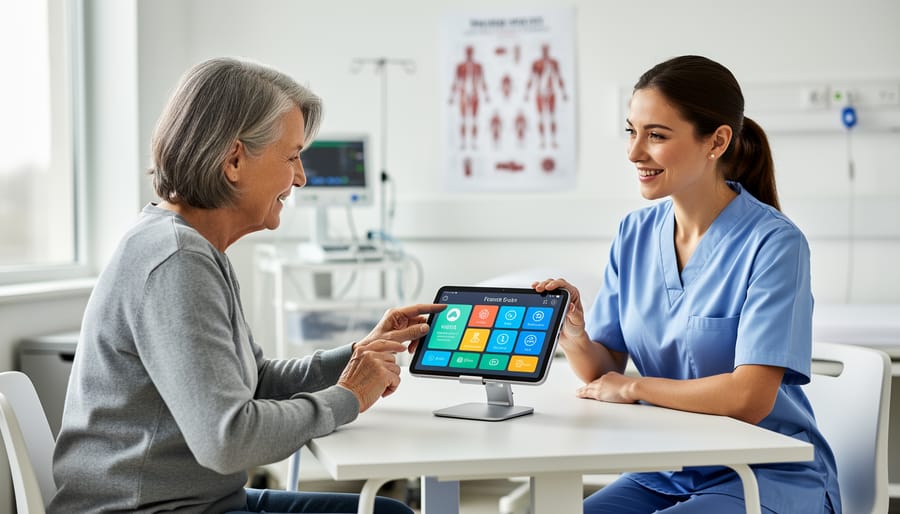
Communication challenges can arise from stroke, traumatic brain injury, developmental conditions, or progressive neurological diseases, while cognitive difficulties may affect memory, attention, planning, or problem-solving. Modern assistive technologies address these needs through a range of sophisticated yet user-friendly solutions.
Speech-generating devices enable individuals with limited verbal ability to communicate effectively. These range from simple picture-based communication boards to advanced tablet-based systems with customizable vocabulary, predictive text, and natural-sounding voice output. Many modern devices use eye-tracking or switch access for those with limited motor control, ensuring communication remains accessible regardless of physical abilities.
Memory and organizational aids help individuals compensate for cognitive challenges. Digital reminder systems, medication management apps with visual and auditory prompts, and GPS-enabled safety devices support independence while providing peace of mind for families. Task sequencing software breaks complex activities into manageable steps with visual cues, helping individuals complete daily routines successfully.
Cognitive rehabilitation software offers targeted exercises to rebuild attention, processing speed, and executive function skills. These adaptive programs adjust difficulty based on performance, providing appropriate challenge throughout recovery.
At Mackay Therapy and Rehabilitation, speech-language pathologists and occupational therapists conduct thorough assessments to identify which technologies best match each person’s communication style, cognitive profile, and daily needs, then provide hands-on training to ensure confident, effective use.
Daily Living and Environmental Controls
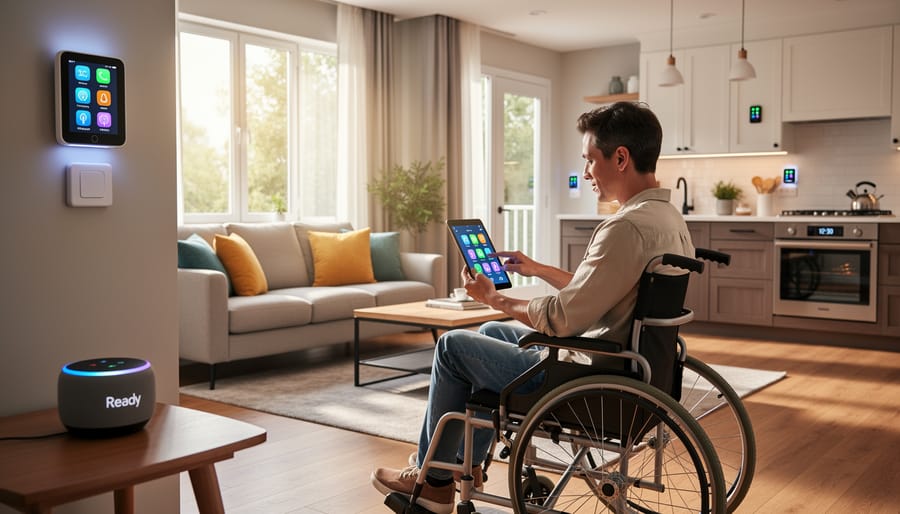
Adaptive equipment for daily living helps individuals maintain independence in self-care tasks such as bathing, dressing, eating, and grooming. Specialized utensils with ergonomic grips, button hooks, sock aids, and long-handled reachers reduce strain and compensate for limited mobility or dexterity. Shower chairs, grab bars, and raised toilet seats create safer bathroom environments while supporting rehabilitation goals.
Smart home technology has expanded accessibility options significantly. Voice-activated systems control lighting, temperature, door locks, and appliances without requiring physical interaction. Environmental control units allow individuals with limited mobility to operate multiple household devices through a single interface, whether a switch, tablet, or eye-tracking system. These technologies integrate seamlessly with daily productivity tips that rehabilitation professionals share during therapy sessions.
Home modifications complement assistive devices by removing barriers and creating accessible spaces. Wheelchair ramps, widened doorways, and adjustable-height counters accommodate mobility equipment. Automated medication dispensers with reminders support medication management, while sensor-based alert systems notify caregivers of potential safety concerns. At Mackay Therapy and Rehabilitation, occupational therapists assess home environments and recommend modifications that align with each individual’s functional abilities and independence goals.
Sensory and Accessibility Technologies
Sensory disabilities present unique challenges, but modern assistive technologies create pathways to greater independence and fuller participation in rehabilitation. These tools don’t just compensate for sensory limitations, they actively support therapeutic goals and enable individuals to engage more effectively in their recovery.
For individuals with hearing impairments, technologies range from traditional hearing aids to advanced cochlear implants and real-time captioning systems. Assistive listening devices amplify specific sound sources during therapy sessions, helping patients follow instructions and participate actively in group rehabilitation activities. Visual alerting systems translate auditory cues into light signals, supporting safety and communication throughout the rehabilitation environment.
Visual impairment technologies include magnification devices, high-contrast materials, and screen readers that convert text to speech. Braille displays and tactile feedback systems help individuals access written rehabilitation materials independently. Smart cane technology with obstacle detection sensors supports mobility training, while audio description apps provide environmental context during community reintegration activities.
For individuals with dual sensory impairments or complex sensory needs, combination technologies offer integrated solutions. Vibrotactile devices translate sound and visual information into touch sensations, creating alternative sensory pathways that complement rehabilitation strategies. The key lies in matching the right technology to each person’s specific sensory profile, functional goals, and learning preferences, an assessment process where interdisciplinary expertise proves essential.
Innovation and the Future of Assistive Technology
The assistive technology field is experiencing unprecedented innovation, driven by advances in artificial intelligence, robotics, and sensor technology. AI-powered devices now adapt to individual usage patterns, learning how users move and communicate to provide more intuitive support. Smart wheelchairs equipped with obstacle detection and navigation assistance help users move through complex environments with greater confidence. Wearable sensors track movement quality during rehabilitation exercises, providing real-time feedback to both patients and therapists about form and progress.
Voice-controlled environmental systems have become more sophisticated, allowing individuals to manage their homes through natural conversation rather than memorizing specific commands. Brain-computer interfaces, once confined to research labs, are entering clinical trials for individuals with severe mobility limitations. These technologies translate neural signals into commands that control computers, communication devices, or even robotic limbs.
Virtual and augmented reality platforms are transforming rehabilitation therapy itself. Patients can practice daily living skills in simulated environments that adjust difficulty levels automatically, making therapy more engaging while providing therapists with detailed performance data. Exoskeletons designed for rehabilitation settings help individuals with spinal cord injuries practice walking movements, potentially improving neurological recovery outcomes.
3D printing technology has democratized custom device creation, allowing rehabilitation professionals to design and produce personalized adaptive equipment at lower costs than traditional manufacturing. From custom grips for utensils to specialized positioning supports, these solutions can be tailored precisely to individual needs and quickly modified as those needs change.
The integration of telehealth platforms with assistive technology means remote monitoring and adjustment are now possible. Therapists can track device usage patterns, identify challenges, and provide support without requiring in-person visits for every adjustment. This connectivity is particularly valuable for individuals in rural areas or those with transportation challenges.
How Mackay Therapy and Rehabilitation Integrates Assistive Technology
At Mackay Therapy and Rehabilitation, assistive technology isn’t a separate add-on, it’s woven into the fabric of personalized care from the first assessment onward. The center’s interdisciplinary team approaches each individual as a whole person, not a diagnosis, which means technology recommendations arise naturally from understanding someone’s daily routines, rehabilitation goals, and the environments where they live and work.
The process begins with comprehensive evaluation. Physiotherapists, occupational therapists, and speech-language pathologists collaborate to assess not just current abilities and limitations, but also what matters most to the individual. A stroke survivor might prioritize regaining kitchen independence, while someone recovering from a spinal injury might focus on returning to work. These goals shape which technologies the team considers and how they’ll integrate them into the broader rehabilitation plan.
What sets this approach apart is the ongoing support. Recommending a device is just the beginning. Therapists work alongside individuals to ensure proper fitting, teach effective use, troubleshoot challenges, and adjust as recovery progresses. A communication device that works well in early rehabilitation might need reprogramming as speech improves. Mobility equipment requires periodic reassessment as strength and endurance change. The team stays involved, adapting technology recommendations as the person’s needs evolve.
This patient-centered model also means honest conversations about what technology can and can’t do. Not every solution requires high-tech equipment. Sometimes a simple adaptive tool paired with targeted therapy delivers better results than an expensive device. The interdisciplinary team helps families navigate these decisions, considering factors like learning curves, maintenance requirements, and realistic expectations alongside functional benefits.
The goal is always independence that feels sustainable, not overwhelming, technology that enhances life rather than complicating it.
Real Impact: Success Stories in Assistive Technology
Real-world experiences demonstrate how assistive technology bridges the gap between limitation and independence. Consider Sarah, who struggled with daily tasks after a stroke affected her left-side mobility. Through a comprehensive assessment, her team at Mackay Therapy and Rehabilitation matched her with an adaptive utensil set and one-handed keyboard. Within weeks, she regained confidence preparing meals and returning to her graphic design work. The combination of appropriate technology and skilled therapy transformed frustration into progress.
For James, a young adult with cerebral palsy, communication barriers had limited his social connections and employment prospects. His speech-language pathologist introduced him to a tablet-based speech-generating device customized to his physical abilities and communication patterns. The difference was immediate. James now participates actively in team meetings at his workplace and maintains friendships through video calls, changes that ripple through every aspect of his quality of life.
These transformations reflect the power of holistic rehabilitation that considers technology as one element in a personalized care plan. When occupational therapist Maria worked with an older client managing arthritis, they explored everything from jar openers to voice-activated home controls. The client chose solutions that matched her lifestyle, not a predetermined package. Six months later, she remained in her own home, cooking independently and managing her environment with dignity.
What connects these stories is individualization. The right assistive technology, matched to specific needs and supported by rehabilitation professionals, creates measurable improvements in function and immeasurable gains in confidence and autonomy.
Taking the First Step: What to Expect
Starting the journey with assistive technology might feel overwhelming, but knowing what to expect can make the process more approachable. Whether you’re recovering from an injury, managing a chronic condition, or supporting a family member with a disability, the right support system helps turn possibilities into practical solutions.
The first conversation matters. When you connect with a rehabilitation professional, they’ll take time to understand your specific situation, goals, and daily challenges. This isn’t a quick product recommendation; it’s a thorough exploration of how technology can genuinely support your needs. Many people start this conversation when they see a physiotherapist or occupational therapist for another concern, discovering that assistive devices could enhance their recovery.
- Initial consultation to discuss your functional goals, current abilities, and environmental factors
- Comprehensive assessment of your physical, cognitive, and sensory needs by qualified therapists
- Technology matching that considers your lifestyle, support system, and future rehabilitation trajectory
- Trial period with selected devices to ensure proper fit and functionality before commitment
- Training sessions to build confidence and competence with your new assistive technology
- Follow-up appointments to adjust devices and address emerging needs as your abilities evolve
Funding remains a common concern. Options vary widely depending on your location, insurance coverage, and specific disability. Government programs, private insurance, charitable organizations, and workplace accommodations can all contribute. Your rehabilitation team understands these pathways and can guide you toward appropriate resources.
The process takes time, and that’s intentional. Rushing to a solution without proper assessment often leads to abandoned devices gathering dust. A thoughtful, personalized approach ensures the technology you receive genuinely fits your life, supporting meaningful independence rather than creating new frustrations.
Assistive technology holds remarkable potential to transform lives, but its true impact emerges when paired with personalized, interdisciplinary rehabilitation care. The right device means little without proper assessment, skilled training, and ongoing support from professionals who understand both the technology and the individual using it. That’s why collaboration among physiotherapists, occupational therapists, speech-language pathologists, and other specialists proves essential in matching people with solutions that genuinely fit their abilities, goals, and daily environments.
For individuals and families navigating rehabilitation, exploring assistive technology options represents a practical step toward greater independence and improved quality of life. While concerns about disability therapy costs are valid, viewing assistive technology as an investment in long-term function and participation often shifts the perspective. The assessment process helps identify not just what technology exists, but what will actually work for your specific situation.
As innovation continues to advance, evidenced by gatherings like the upcoming Canadian Disability Tech Summit on November 18, 2026, the field of assistive technology keeps expanding with new possibilities. Yet the fundamentals remain constant: technology serves people best when it’s thoughtfully selected, properly fitted, and integrated into a comprehensive rehabilitation plan. If you or someone you care for could benefit from assistive technology, start a conversation with your rehabilitation team. The right solution, supported by the right professionals, can meaningfully enhance independence and open doors to fuller participation in life.