


Most neck pain stems from muscle strain or poor posture, but infection is the culprit when you notice fever, swelling, or pain that worsens despite rest. The quickest diagnostic check: press gently on your lymph nodes (those small, bean-shaped glands along your jawline and neck). If they’re tender, enlarged, or you’re running a temperature above 100.4°F, an infection is likely at play.
Infections causing neck pain range from common throat infections and swollen lymph nodes to more serious conditions like meningitis or spinal infections. The key difference lies in accompanying symptoms. Simple muscle-related pain under the neck improves with rest and stretching. Infection-driven pain typically comes with red flags: persistent fever, difficulty swallowing, stiff neck that prevents you from touching chin to chest, unexplained rashes, or pain that radiates down your arms with numbness.
At Mackay Therapy and Rehabilitation, we understand how concerning neck pain can be, especially when you’re unsure whether it needs immediate medical attention. This article will walk you through recognizing infection symptoms, identifying likely causes, and understanding when self-care is appropriate versus when you need urgent evaluation. We’ll also explore the complete recovery pathway, from initial treatment through rehabilitation, because getting the right diagnosis is only the first step toward feeling better.
If you experience severe neck stiffness with high fever, difficulty breathing, or sudden weakness, stop reading and seek emergency care immediately. These symptoms may indicate meningitis or another serious infection requiring prompt medical intervention.
Recognizing When Neck Pain May Signal an Infection
Most neck pain stems from muscle tension, poor posture, or minor strains that improve with rest and simple home care. However, when an infection is the underlying cause, the neck pain typically presents with distinct characteristics that set it apart from everyday muscle discomfort. Learning to recognize these warning signs can help you determine when professional medical evaluation is necessary.
Fever accompanying neck pain is one of the most telling signs that infection may be present. While muscle strain alone doesn’t cause elevated body temperature, infections trigger your immune system response, often producing fever alongside neck discomfort. The combination of persistent neck pain with a temperature above 38°C (100.4°F) warrants medical attention, particularly if the fever doesn’t respond to over-the-counter fever reducers or returns after initially breaking.
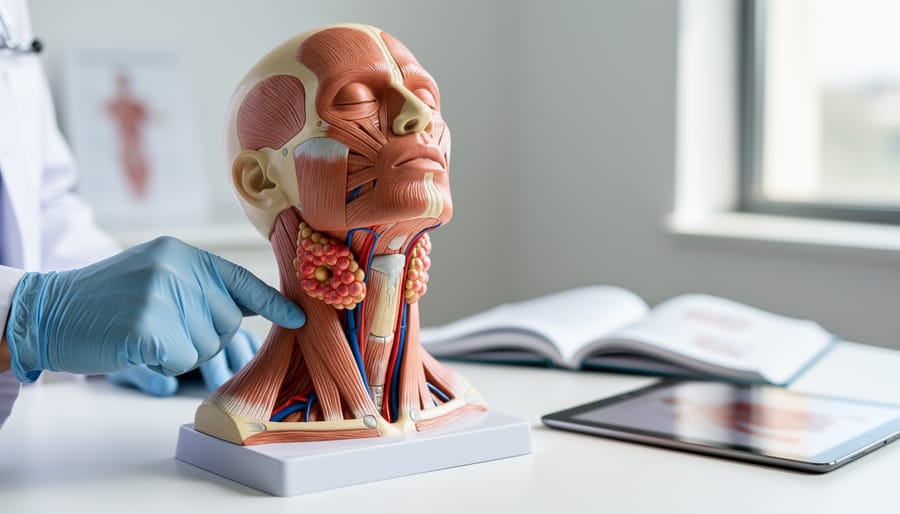
Swelling and tender lumps in the neck region frequently indicate lymph node involvement, a common response when your body fights infection. These swollen nodes typically appear as firm, movable bumps beneath the skin on either side of your neck or under your jaw. They may feel tender or painful to touch, and the surrounding tissue might feel warm. Unlike the general muscle soreness from a strain, this localized swelling and tenderness points toward an active infection your immune system is working to contain.
Difficulty swallowing or a sensation that something is obstructing your throat can signal infections affecting the throat, tonsils, or deeper neck structures. This symptom often accompanies pain that worsens when you try to eat or drink, and you may notice your voice sounds different or muffled. Persistent neck stiffness that doesn’t improve with gentle stretching or positioning, especially when accompanied by headache or sensitivity to light, requires prompt evaluation as it may indicate more serious conditions affecting the meninges or spinal structures.
Other accompanying symptoms that suggest infection rather than simple muscle strain include persistent fatigue beyond normal tiredness, night sweats, unexplained weight loss, or pain that progressively worsens rather than improving over several days. Trust your instincts: if your neck pain feels different from previous episodes or comes with symptoms that concern you, seeking professional evaluation ensures any infection receives appropriate treatment before complications develop.

Common Infections That Cause Neck Pain
Upper Respiratory and Throat Infections
Upper respiratory and throat infections are the most frequent infectious causes of neck pain you’ll encounter. When bacteria or viruses invade your throat, tonsils, or upper airways, your body’s immune response triggers inflammation that often radiates to your neck.
Strep throat, caused by Group A Streptococcus bacteria, creates intense throat pain accompanied by tender, swollen lymph nodes along the sides of your neck. You’ll typically notice the neck discomfort develops within 24 to 48 hours of the sore throat starting, as your lymph nodes work overtime fighting the infection. The pain often feels like firm, marble-sized lumps beneath your jaw and down the sides of your neck.
Tonsillitis and pharyngitis, whether bacterial or viral, follow a similar pattern. Your tonsils swell and inflame, causing your nearby lymph nodes to enlarge and become painful. This reactive lymphadenopathy is your immune system doing its job, but it creates genuine neck stiffness and discomfort that can make turning your head difficult.
Common viral infections like the flu, common cold, or mononucleosis also trigger neck pain through the same mechanism. The enlarged lymph nodes can persist for several weeks with viral infections, even after your throat symptoms improve.
The good news: these infections rarely cause serious complications. Your neck pain should gradually ease as the primary infection resolves with appropriate treatment, whether that’s antibiotics for bacterial infections or supportive care for viral ones.
Lymph Node Infections
Lymph node infections, known as lymphadenitis, occur when bacteria or viruses directly infect the lymph nodes in your neck rather than simply causing them to react. The nodes become inflamed, swollen, and painful to touch. You’ll typically notice firm, tender lumps along the sides of your neck, often beneath your jaw or behind your ears.
Bacterial lymphadenitis, commonly caused by Staphylococcus or Streptococcus bacteria, produces warm, red, swollen nodes that may feel boggy or fluctuant if an abscess forms. You might develop fever, chills, and increasing pain that makes turning your head uncomfortable. The overlying skin can appear stretched and shiny.
Viral lymphadenitis, often from Epstein-Barr virus (mononucleosis) or cytomegalovirus, creates multiple swollen nodes that feel rubbery rather than rock-hard. These infections typically cause fatigue, sore throat, and persistent swelling that lasts weeks.
Cat-scratch disease, from Bartonella bacteria transmitted through cat scratches or bites, causes chronically swollen nodes weeks after the initial injury. The affected node gradually enlarges and may eventually drain.
Unlike reactive lymph node swelling that improves as the primary infection resolves, lymphadenitis requires targeted treatment. Bacterial cases need antibiotics, while severe infections may require drainage. Persistent or worsening node swelling warrants medical evaluation to rule out complications.
Serious Spinal and Tissue Infections
While most neck infections resolve with standard treatment, certain spinal and deep tissue infections demand immediate medical attention. These conditions affect structures close to the spinal cord and brain, creating risks that extend beyond neck discomfort.
Meningitis, an infection of the membranes surrounding the brain and spinal cord, produces severe neck stiffness alongside high fever, headache, and sensitivity to light. The neck becomes so rigid that touching your chin to your chest may be impossible. Bacterial meningitis progresses rapidly and requires emergency care within hours.
Cervical osteomyelitis and discitis involve infection of the neck vertebrae or the discs between them. These develop more gradually, causing deep, unrelenting pain that worsens at night and doesn’t improve with rest. You might notice weight loss, night sweats, and progressive difficulty moving your neck over several weeks.
An epidural abscess forms between the spinal cord and surrounding bone, creating a pocket of infection that can compress the spinal cord. Warning signs include severe neck or back pain, fever, and potentially weakness or numbness in your arms or legs.
Retropharyngeal abscess, most common in young children but possible in adults, develops in the space behind the throat. It causes severe throat pain, difficulty swallowing, drooling, and a muffled voice alongside neck swelling.
These conditions share one critical characteristic: they worsen without treatment and can cause permanent neurological damage or become life-threatening. Severe neck pain with fever, neurological symptoms, or difficulty breathing warrants immediate emergency evaluation.
Other Infectious Causes
Beyond the major infection categories, several other infectious conditions can trigger neck pain, though they’re encountered less frequently in clinical practice.
Dental abscesses represent a surprisingly common culprit. When bacterial infection develops at a tooth root or in the gum tissue, the infection can spread to nearby lymph nodes and soft tissues in the neck, causing pain that radiates from the jaw upward. You might notice facial swelling, tooth sensitivity, and a foul taste alongside neck discomfort.
Salivary gland infections, particularly of the parotid or submandibular glands, create swelling and tenderness along the jaw and upper neck. These infections typically occur when bacteria enter the salivary ducts, often in people who are dehydrated or have reduced saliva flow.
Cellulitis, a bacterial skin infection, can affect the neck area when cuts, insect bites, or other breaks in the skin become infected. The affected area becomes red, warm, swollen, and painful to touch, with symptoms that may spread rapidly.
Systemic infections like infectious mononucleosis, Lyme disease, or even tuberculosis occasionally present with neck pain as part of broader symptom patterns. These conditions typically include other telltale signs beyond localized neck discomfort.
How to Address Infection-Related Neck Pain

Step 1: Seek Professional Evaluation
If you suspect an infection is behind your neck pain, especially if you have fever, visible swelling, difficulty swallowing, or pain that worsens despite rest, contact your healthcare provider promptly. Don’t wait to see if symptoms resolve on their own when red flags are present.
During your appointment, your doctor will take a detailed history, asking about symptom onset, recent illnesses, travel, and any accompanying signs like chills or fatigue. The physical exam typically includes checking your neck for swelling, tenderness, and range of motion, palpating lymph nodes, and examining your throat and skin for infection sources.
Diagnostic tests pinpoint the cause. Blood work reveals infection markers like elevated white cell counts and inflammatory proteins. Throat or wound cultures identify specific bacteria. Imaging, X-rays, ultrasound, CT, or MRI, visualizes deeper structures, checking for abscesses, spinal infections, or inflamed tissues. These results guide your treatment plan and set the foundation for personalized recovery tailored to your infection type and severity. Early, accurate diagnosis prevents complications and speeds healing.
Step 2: Follow Medical Treatment
Once your healthcare provider identifies the infection causing your neck pain, they’ll prescribe targeted treatment, typically antibiotics for bacterial infections or antivirals for certain viral conditions. Follow the prescribed medication schedule exactly, even when you start feeling better. Stopping antibiotics early can allow the infection to return stronger and potentially develop resistance to treatment.
Most upper respiratory and lymph node infections respond well to oral medications taken at home. Your symptoms should begin improving within 48 to 72 hours, though you’ll need to complete the full course, which usually runs seven to fourteen days depending on the infection severity.
However, serious infections like meningitis, spinal abscesses, or severe tissue infections require hospitalization for intravenous antibiotics. These conditions need closer monitoring and stronger medications delivered directly into the bloodstream. Warning signs that warrant immediate hospital care include high fever that won’t break, severe headache, confusion, difficulty breathing, or rapidly worsening neck stiffness.
Keep all follow-up appointments so your provider can confirm the infection is clearing. If symptoms worsen or don’t improve after two to three days of treatment, contact your healthcare team immediately, you may need a different medication or further evaluation.
Step 3: Manage Pain and Support Healing
Once your healthcare provider confirms the infection and starts treatment, managing pain and supporting your body’s healing becomes the priority. Over-the-counter pain relievers like acetaminophen or ibuprofen can reduce discomfort and inflammation, follow dosing instructions carefully and check with your doctor if you’re taking antibiotics, as some combinations require caution. Rest is essential: your immune system needs energy to fight infection, so avoid strenuous activities and heavy lifting until symptoms improve.
Positioning matters too. Sleep with your head slightly elevated using a supportive pillow to reduce lymph node swelling and ease drainage. Gentle heat (a warm compress for 15-20 minutes) can relax tense muscles once acute inflammation subsides, while cold packs help during the first 48 hours if swelling is pronounced. Stay hydrated and nourish your body with balanced meals to support recovery.
Resume light activities gradually as pain and stiffness decrease, usually within a few days for mild infections, longer for severe cases. Many patients benefit from guided support during recovery; e-rehab programs can provide convenient access to professional advice on safe movement and symptom monitoring from home, ensuring you progress without setbacks.
Step 4: Engage Rehabilitation Support
Once the infection clears, rehabilitation becomes crucial for restoring full neck function. Serious infections like meningitis or spinal abscesses often leave lasting stiffness, weakness, and reduced range of motion even after medical treatment succeeds.
Physiotherapy focuses on gradually rebuilding neck strength and mobility through targeted exercises. Your therapist will design a personalized program based on which structures the infection affected and how long you’ve been immobile. Gentle stretching releases tension in tight muscles, while progressive resistance exercises strengthen the neck and upper back to support proper posture and movement patterns.
Occupational therapy addresses how neck limitations affect daily activities, dressing, working at a computer, driving, or caring for family. Therapists teach adaptive techniques and recommend modifications that let you function comfortably while healing progresses.
Our interdisciplinary healthcare team coordinates your rehabilitation plan, adjusting intensity as you improve. For those with mobility challenges or ongoing weakness, in-home care brings therapy directly to you, ensuring consistent progress without the strain of travel.

Comparing Infection Types and Their Treatment
Understanding the landscape of infections that cause neck pain helps you recognize what you’re dealing with and set realistic expectations for treatment and recovery. Different infection types vary significantly in their severity, required interventions, and healing timelines.
| Infection Type | Key Symptoms | Severity | Typical Treatment | Recovery Timeline |
|---|---|---|---|---|
| Upper Respiratory/Throat Infections | Sore throat, swollen lymph nodes, mild fever, tender neck | Mild to Moderate | Antibiotics (bacterial), rest, fluids, pain relievers | 7-10 days |
| Lymphadenitis | Tender, swollen nodes, localized pain, warmth, possible fever | Moderate | Antibiotics, warm compresses, pain management | 1-2 weeks |
| Meningitis | Severe headache, stiff neck, high fever, light sensitivity, confusion | Severe (Emergency) | Hospitalization, IV antibiotics or antivirals, close monitoring | 2-4 weeks or longer |
| Spinal Infections (Osteomyelitis/Discitis) | Deep neck/back pain, fever, restricted movement, neurological symptoms | Severe | Prolonged IV antibiotics, possible surgery, immobilization | 6-12 weeks or longer |
| Dental Abscess | Toothache, jaw/neck swelling, difficulty swallowing, fever | Moderate | Dental drainage, antibiotics, root canal or extraction | 1-2 weeks |
The variation in treatment intensity reflects the different levels of threat each infection poses. Mild infections respond well to outpatient care with oral antibiotics and supportive measures. More serious infections demand hospital admission, intravenous medications, and sometimes surgical intervention to prevent complications.
Recovery doesn’t end when symptoms fade. Your body needs time to fully clear the infection and repair affected tissues. For straightforward throat infections, you might feel better within days, though complete healing takes longer. Severe spinal infections require months of treatment followed by rehabilitation to restore full neck function and strength. Each person’s recovery follows a unique path shaped by their overall health, immune response, and how quickly they received appropriate care.
Preventing Infections That Lead to Neck Pain
Reducing your risk of infections that can lead to neck pain involves strengthening your body’s natural defenses and adopting habits that limit exposure to harmful bacteria and viruses. While you can’t prevent every infection, these proactive steps significantly lower your chances of developing the conditions we’ve discussed.
Your immune system forms your first line of defense. Support it through adequate sleep (seven to nine hours nightly), balanced nutrition rich in fruits and vegetables, regular moderate exercise, and stress management. When your immune system functions optimally, it fights off pathogens before they establish serious infections. Stay hydrated, as proper hydration helps your lymphatic system flush out toxins and supports mucous membranes that trap germs.
Hand hygiene remains one of the most effective prevention strategies. Wash your hands thoroughly with soap and water for at least twenty seconds, especially before eating, after using the bathroom, and after being in public spaces. This simple practice prevents the spread of strep throat, viral infections, and many other contagious conditions that cause neck pain.
- Keep current with recommended vaccinations, including flu shots, COVID-19 boosters, and meningitis vaccines when appropriate
- Avoid sharing eating utensils, drinks, or personal items with others
- Maintain good dental hygiene with regular brushing, flossing, and dental check-ups to prevent tooth abscesses
- Address minor infections promptly rather than waiting for them to worsen
- Practice proper food safety to avoid foodborne illnesses that can cause systemic infections
- Limit close contact with people who have active respiratory or throat infections
Don’t ignore persistent sore throats, swollen glands, or dental pain. Early treatment of these minor issues prevents them from developing into more serious infections affecting your neck. If you have chronic conditions like diabetes or take immunosuppressive medications, work closely with your healthcare team to manage your infection risk through appropriate preventive measures and monitoring. Taking these steps puts you in control of your health and significantly reduces the likelihood of experiencing infection-related neck pain.
How to Fix It Step by Step
When neck pain may be infection-related, follow these steps to address it safely and effectively:
Step 1: Assess your symptoms immediately. Check for fever above 38°C, visible swelling in your neck, difficulty swallowing, severe headache, or stiffness preventing you from touching chin to chest. Any of these requires same-day medical evaluation.
Step 2: Contact your healthcare provider within 24 hours if you have persistent neck pain with mild fever, swollen lymph nodes lasting over a week, or pain worsening despite rest. Don’t wait to see if it resolves on its own.
Step 3: Complete prescribed treatment fully. If diagnosed with a bacterial infection, finish the entire antibiotic course even when symptoms improve. Stopping early allows infection to return stronger.
Step 4: Support your recovery with appropriate rest. Avoid strenuous activity until fever subsides and energy returns. Use extra pillows to keep your head elevated if swallowing is painful.
Step 5: Begin gentle neck mobility exercises only after acute infection symptoms resolve and with your physiotherapist’s guidance. Premature movement can aggravate healing tissues.
Common Questions About Infections and Neck Pain
When you’re experiencing neck pain alongside symptoms like fever or swollen glands, it’s natural to have questions about what’s happening and what to expect. These common concerns reflect what many patients and their families want to know when infection becomes a possibility.
How do I know if my neck pain is from an infection rather than muscle strain?
Infection-related neck pain typically comes with additional symptoms like fever, visible swelling or lumps in the neck, difficulty swallowing, persistent stiffness that doesn’t improve with rest, or feeling generally unwell. Muscle strain usually improves within a few days and responds to rest and gentle movement.
Can neck infections spread to other parts of my body?
Yes, untreated infections can spread, which is why prompt medical attention matters. Bacterial infections in the throat or lymph nodes can occasionally spread to deeper tissues or the bloodstream, though this is uncommon when treated early.
How long does it take to recover from infection-related neck pain?
Recovery timelines vary by infection type. Minor throat infections often improve within a week of starting antibiotics, while lymph node swelling may take two to three weeks to fully resolve. Serious spinal infections require longer treatment and rehabilitation, sometimes several months.
When can I return to work or normal activities?
You can typically resume light activities once fever subsides and you’ve completed at least 24 hours of antibiotic treatment, though your healthcare provider will give specific guidance. For physically demanding work or exercise, wait until neck mobility returns and pain has resolved.
Are infections that cause neck pain contagious?
Some are contagious while others aren’t. Viral throat infections and strep throat spread through respiratory droplets, so good hand hygiene and avoiding close contact helps protect others. Deeper infections like osteomyelitis or abscesses don’t spread person-to-person.
Will I need physiotherapy after treating a neck infection?
Many patients benefit from rehabilitation support, especially after serious infections that limited neck movement for extended periods. A personalized physiotherapy program helps restore full range of motion, rebuild strength, and address any compensatory movement patterns that developed during illness.
Understanding these aspects helps you make informed decisions about your care and set realistic expectations for recovery. If you have concerns that aren’t addressed here, your healthcare team can provide guidance specific to your situation. The interdisciplinary approach at facilities like Mackay Therapy and Rehabilitation ensures you receive comprehensive support throughout diagnosis, treatment, and recovery, addressing both the infection itself and any lingering effects on neck function and mobility.
Key Points to Remember
Understanding the connection between infections and neck pain empowers you to recognize warning signs and seek timely care. Not all neck pain signals infection, but fever, persistent stiffness, difficulty swallowing, or visible swelling warrant prompt medical evaluation. Early diagnosis matters, most infections respond well to antibiotics or antivirals when caught early, preventing complications and speeding recovery.
The path to recovery involves both medical treatment and rehabilitative care. Completing your full antibiotic course prevents recurrence, while physiotherapy restores neck mobility and strength once the infection clears. Prevention plays an essential role too, maintaining good hygiene, addressing minor infections promptly, staying current with vaccinations, and supporting your immune system through adequate rest and nutrition reduce your risk of developing infections that cause neck pain.
Remember that infection-related neck pain is treatable. With proper medical attention and personalized rehabilitation, most people achieve complete recovery and return to their normal activities. If you’re experiencing concerning symptoms, reaching out to healthcare professionals early gives you the best chance for a smooth, swift recovery.
Understanding the link between infections and neck pain puts you in a stronger position to recognize warning signs and act quickly. While most neck discomfort stems from everyday muscle strain, knowing when infection might be the culprit can make the difference between minor inconvenience and serious complications.
If you’re experiencing neck pain alongside fever, persistent stiffness, swelling, or difficulty swallowing, don’t wait to see how things develop. These symptoms warrant prompt professional evaluation. Early diagnosis and treatment of infection-related neck pain typically lead to complete recovery, especially when combined with appropriate rehabilitation support.
Recovery isn’t just about eliminating the infection. Restoring full neck mobility, strength, and function often requires personalized care that addresses your specific needs and circumstances. At Mackay Therapy and Rehabilitation, our interdisciplinary team works together to create treatment plans tailored to each patient’s situation, supporting you through every phase of recovery.
Your health deserves attention and expertise. Whether you need immediate assessment or rehabilitation after treatment, reaching out to healthcare professionals who understand both the medical and functional aspects of recovery can help you regain comfort, mobility, and confidence in your daily activities.