


MaxAtHome physiotherapy brings professional rehabilitation directly to your doorstep, delivering personalized, clinic-quality treatment in the comfort and convenience of your own living space. This service is designed for anyone who finds it difficult to travel to a clinic, whether due to mobility challenges, post-surgical recovery, chronic conditions, or simply the demands of a busy schedule caring for family members.
In-home physiotherapy offers the same evidence-based treatments you’d receive in a traditional clinic setting, but with a crucial advantage: your therapist works with you in the environment where you actually live, move, and face daily challenges. This means treatment plans are built around your real-world needs, from navigating your own stairs and getting in and out of your specific furniture to managing tasks in your actual kitchen or bathroom layout.
The interdisciplinary approach ensures that each session addresses not just your immediate pain or mobility limitation, but your broader goals for independence and quality of life. Your physiotherapist conducts a thorough assessment during the first visit, then creates a personalized care plan that evolves with your progress. Sessions typically include hands-on manual therapy, targeted exercises, functional training using your own household items, and education to help you manage your condition long-term.
For families caring for aging parents, individuals recovering from surgery or injury, or anyone managing conditions like arthritis, stroke, or neurological disorders, home-based physiotherapy removes barriers to consistent, high-quality care while supporting recovery in the place that matters most.
What MaxAtHome Physiotherapy Services Include
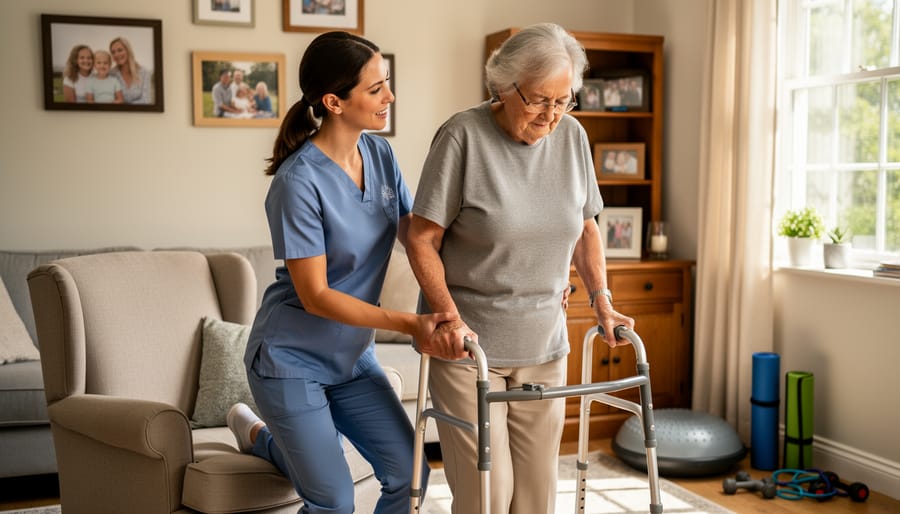
MaxAtHome physiotherapy services deliver the full spectrum of clinical rehabilitation directly to your living space. Our therapists bring professional-grade treatment for post-surgical recovery, whether you’re healing from a hip replacement, knee surgery, or spinal procedure. We guide you through carefully structured exercises that rebuild strength, restore range of motion, and accelerate your return to independence, all without leaving home.
Chronic pain management forms another core component of our home services. For patients dealing with persistent back pain, arthritis, fibromyalgia, or long-standing joint discomfort, we develop targeted strategies that combine manual therapy techniques, therapeutic exercises, and pain education. The advantage of home-based care here is significant: we assess how your daily environment affects your symptoms and teach you to modify movements and positions throughout your actual routine.
Mobility training addresses everything from basic walking stability to advanced balance work. If you’re recovering from a fall, managing a progressive neurological condition, or simply noticing declining steadiness, our therapists create progression plans that make your home the training ground. We evaluate stairs, doorways, and furniture placement, turning potential obstacles into practical rehabilitation tools.
Injury recovery extends beyond surgical cases to include sports injuries, workplace strains, motor vehicle accidents, and acute trauma. Our physiotherapists treat soft tissue injuries, ligament sprains, fractures, and muscle tears with evidence-based techniques adapted to your space.
Each service begins with a thorough home assessment. We evaluate not just your physical condition but how your environment supports or hinders recovery. Your personalized care plan considers your specific goals, living situation, family involvement, and functional needs. Sessions typically run 45 to 60 minutes and progress as you improve, with treatment frequency adjusted to match your recovery trajectory rather than a rigid schedule. This flexibility ensures you receive exactly the support you need when you need it.
Who Benefits Most from At-Home Physiotherapy
At-home physiotherapy serves patients whose recovery needs align better with treatment in their own environment than in a clinical setting. Several groups experience particularly meaningful benefits from this approach.
Seniors with mobility limitations find home-based care removes the physical and logistical barriers of traveling to a clinic. When getting in and out of a vehicle causes pain or requires assistance, bringing therapy to the patient preserves energy for the actual rehabilitation work. Therapists can also address real-world challenges like navigating stairs, transferring from bed to chair, or moving safely through the specific layout of the patient’s home.
Post-surgical patients recovering from joint replacements, spinal procedures, or other operations benefit from early intervention without the stress of commuting during their most vulnerable healing phase. Home sessions allow therapists to monitor recovery progress closely while adapting exercises to the patient’s comfort level and functional goals within their living space.
Individuals managing chronic conditions such as arthritis, multiple sclerosis, or Parkinson’s disease gain from the consistency of regular home visits. The familiar setting reduces anxiety and allows therapists to design programs that fit the patient’s daily routines and home environment, making long-term adherence more achievable.
Stroke survivors and patients recovering from neurological events require intensive, coordinated rehabilitation. Home physiotherapy supports this by integrating therapy into the spaces where patients need to regain independence, their kitchen, bathroom, bedroom, while family members can observe techniques and provide ongoing support between sessions.
Those with developmental or physical disabilities often find home-based care more practical for addressing mobility, strength, and functional skills within the context of their everyday lives, where therapeutic gains translate most directly into improved independence.
How In-Home Physiotherapy Works
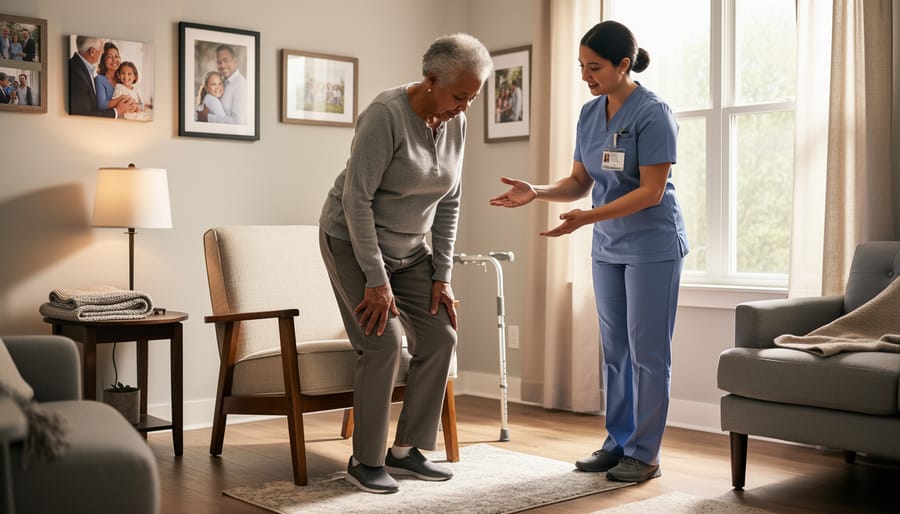
Starting in-home physiotherapy is straightforward, designed to minimize stress and maximize convenience for patients and their families. The process follows a clear pathway from first contact to ongoing recovery support.
The Journey Begins
Most patients begin by contacting Mackay Therapy and Rehabilitation directly, either by phone or through our online referral system. During this initial conversation, our intake coordinator gathers essential information about your condition, medical history, and specific needs. We discuss your location, schedule preferences, and any immediate concerns that might affect treatment planning. This isn’t just administrative work, it helps us match you with the right therapist whose expertise aligns with your recovery goals.
Your Path to Recovery
- Initial Contact and Scheduling: Reach out to our team to discuss your needs and arrange a convenient time for your first visit. We work around your schedule, including evenings and weekends when necessary.
- Comprehensive In-Home Assessment: Your therapist arrives at your home to conduct a thorough evaluation of your physical condition, mobility, pain levels, and functional abilities. They also assess your home environment to identify any barriers or safety concerns that might impact your recovery.
- Personalized Treatment Plan Development: Based on the assessment findings and your goals, your therapist creates a tailored treatment plan. This includes specific exercises, techniques, frequency of sessions, and measurable milestones. You and your family members participate in setting these goals to ensure they reflect what matters most to you.
- Regular Therapy Sessions: Treatment begins according to your agreed schedule. Sessions typically last 45 to 60 minutes and include hands-on techniques, guided exercises, education about your condition, and training for family members who want to support your recovery between visits.
- Progress Monitoring and Plan Adjustment: Your therapist continuously evaluates your improvement, adjusting exercises and techniques as you gain strength and mobility. Regular check-ins ensure your treatment evolves with your changing needs.
What sets home-based physiotherapy apart is how therapists adapt clinical expertise to your specific environment. If you need to navigate stairs safely, we practice on your actual staircase. If kitchen mobility matters, we work right there at your counter. This real-world training builds confidence and functional independence faster than simulating these tasks in a clinic setting could achieve.
The Advantages of Receiving Physiotherapy at Home
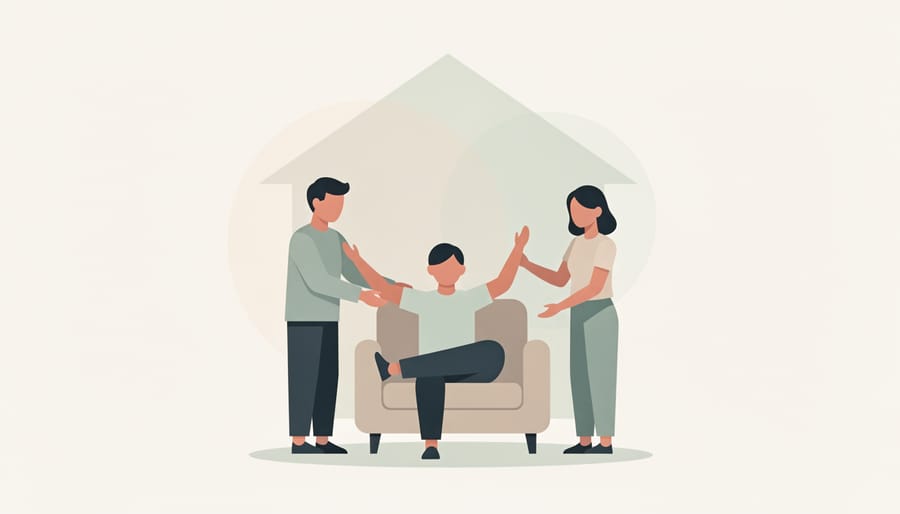
Home-based physiotherapy transforms recovery by meeting you where you are, literally. This approach removes the stress and physical demands of travel, particularly for those managing pain, mobility limitations, or energy constraints that make clinic visits exhausting or impossible.
Comfort plays a bigger role in healing than many realize. Working in your own space reduces anxiety and allows you to focus entirely on your exercises and progress rather than navigating unfamiliar environments. Your therapist sees firsthand how you move through your actual living space, identifying real obstacles like narrow hallways, awkward bathroom layouts, or staircases that create daily challenges. This means treatment targets the specific movements and tasks you need to master for genuine independence at home.
Family involvement becomes seamless when therapy happens at home. Caregivers and family members can observe sessions, learn proper support techniques, and understand your exercise program in context. This collaborative approach strengthens your support system and ensures everyone works toward the same recovery goals using consistent methods.
The real-world training advantage cannot be overstated. Rather than simulating tasks in a clinical setting, you practice the actual movements your daily life demands, getting in and out of your own bed, navigating your kitchen, managing your specific furniture arrangement. Your therapist can recommend practical modifications and adaptive equipment suited to your exact setup.
Continuity of care improves dramatically when treatment fits your schedule without the logistical complications of travel. Patients typically maintain more consistent session attendance and complete home exercises more reliably because the therapy integrates directly into their routine. The familiar environment also helps therapists monitor progress more accurately, seeing how you truly function day-to-day rather than how you perform during brief clinic visits.
Our Interdisciplinary Approach to Home-Based Care
MaxAtHome physiotherapy doesn’t operate in isolation. Our therapists work as part of a coordinated team at Mackay Therapy and Rehabilitation, where your physical recovery connects seamlessly with other aspects of your health and daily function.
When your physiotherapist identifies needs beyond movement and mobility, they consult directly with our occupational therapists, speech-language pathologists, and mental health specialists. A patient recovering from stroke, for instance, might work with a physiotherapist on gait training while simultaneously receiving speech therapy for communication challenges and occupational therapy to regain independence with dressing and meal preparation. These professionals communicate regularly about your progress, adjusting their approaches to support shared goals rather than treating you in separate, disconnected silos.
This collaboration happens naturally in your home. During a physiotherapy session, your therapist might notice difficulties with fine motor tasks or cognitive processing that warrant an occupational therapy referral. They’ll coordinate scheduling so multiple specialists can observe you in your actual living environment, where real challenges surface more clearly than in a clinic. A child receiving developmental physiotherapy might benefit from concurrent speech therapy sessions, with both therapists sharing observations about attention span, frustration tolerance, and readiness for new challenges.
Your care plan reflects input from everyone involved. Weekly team meetings ensure all specialists understand your priorities, progress, and any setbacks. If anxiety about falling affects your willingness to practice exercises, your physiotherapist can connect you with our mental health team while adapting the physical program to build confidence gradually.
This integrated approach means you’re not juggling multiple separate providers. You’re receiving coordinated care designed around your complete needs, delivered where you’re most comfortable.
Common Questions About At-Home Physiotherapy
Choosing home-based physiotherapy often raises practical questions. Understanding what to expect helps you prepare for treatment and make informed decisions about your care.
Do I need special equipment at home?
Most home physiotherapy sessions use minimal equipment that your therapist brings along, such as resistance bands, therapy balls, or small weights. We’ll assess your space during the initial visit and work with what you have, incorporating everyday items like chairs, stairs, and countertops into your exercises.
How long are typical sessions?
Sessions usually last 45 to 60 minutes, depending on your treatment plan and needs. Your therapist will structure each visit to balance hands-on treatment, guided exercises, and education without causing fatigue.
Is home physiotherapy covered by insurance?
Many insurance plans, including OHIP for eligible patients, cover medically necessary home physiotherapy. We recommend contacting your provider to confirm your specific coverage, and our team can help with documentation requirements.
How often will I need sessions?
Treatment frequency varies based on your condition and goals. Initially, you might have two to three sessions weekly, gradually reducing as you progress and gain independence with your home exercise program.
Safety is a priority in home-based care. Our therapists conduct environmental assessments to identify potential hazards and suggest modifications that support safe movement throughout your living space. We’ll work around pets, furniture arrangements, and household routines to ensure treatment fits seamlessly into your daily life.
Scheduling offers considerable flexibility compared to clinic appointments. Since therapists travel to you, we can often accommodate early morning, evening, or weekend sessions that align with your schedule and energy levels. This adaptability proves especially valuable for patients managing multiple medical appointments or family caregiving responsibilities.
If your condition changes between visits, simply contact us. We can adjust your treatment plan, modify exercise intensity, or schedule additional sessions as needed. This responsive approach ensures your care evolves alongside your recovery progress.
MaxAtHome physiotherapy services transform rehabilitation by removing barriers between you and professional care. When recovery happens in your own home, surrounded by familiar routines, comfortable furniture, and the support of loved ones, treatment becomes more than clinical exercises. It becomes part of your daily life, integrated into real-world challenges you face every day.
This approach acknowledges that effective recovery isn’t about what you can do in a clinic for 45 minutes. It’s about regaining function where it matters: navigating your stairs, managing your kitchen, moving confidently through the spaces you live in. Our physiotherapists bring clinical expertise to your environment, adapting evidence-based techniques to your specific needs and circumstances.
If mobility limitations, transportation challenges, or simply the preference for personalized care at home resonate with your situation, in-home physiotherapy might align perfectly with your recovery goals. The interdisciplinary support from Mackay Therapy and Rehabilitation ensures you’re not just receiving isolated treatments, you’re accessing coordinated, comprehensive care designed around your whole person.
Consider what matters most in your rehabilitation journey. Then reach out to discuss how home-based services can support your path forward.