
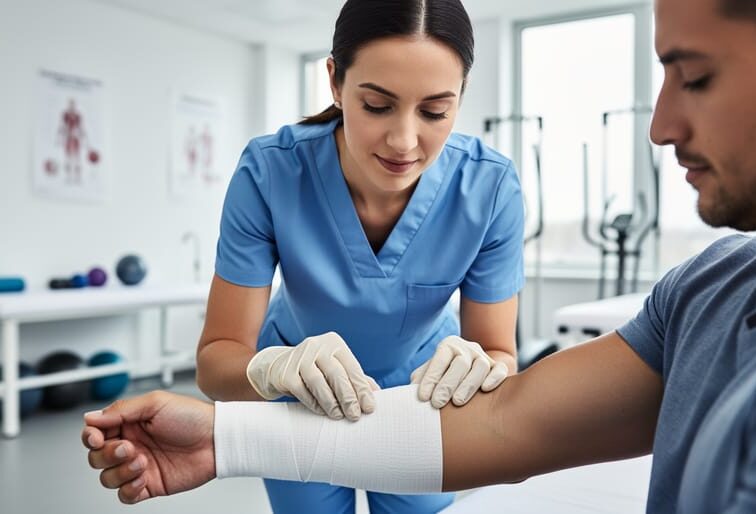

A tissue repair study is a carefully designed research project that tests whether a new compound can help the body rebuild damaged muscle, tendon, ligament, bone, or nerve tissue, and how safely it does so. Researchers start in the lab with cells and tissue samples, then move through animal models and, only when the evidence supports it, to closely monitored human trials. Some of the compounds under investigation, including peptides like those discussed in the world of canadian peptides research, are studied for their possible role in signaling the body to heal.
Why does this matter? Because every rehabilitation plan rests on evidence. When a physiotherapist, physician, and occupational therapist sit down with you to build a recovery program, they rely on research like this to know what works, what’s still unproven, and what carries risk.
Understanding how these studies work also helps you ask better questions and feel more confident in your care. This article explains the basics in plain language: how tissue repair studies are structured, the types of compounds being tested, and how findings eventually shape personalized, team-based rehabilitation. Progress takes time, but each carefully run study brings patients and families closer to better, safer recovery options.
What Tissue Repair Studies Mean in Rehabilitation Research
Why Healing Science and Rehabilitation Go Hand in Hand
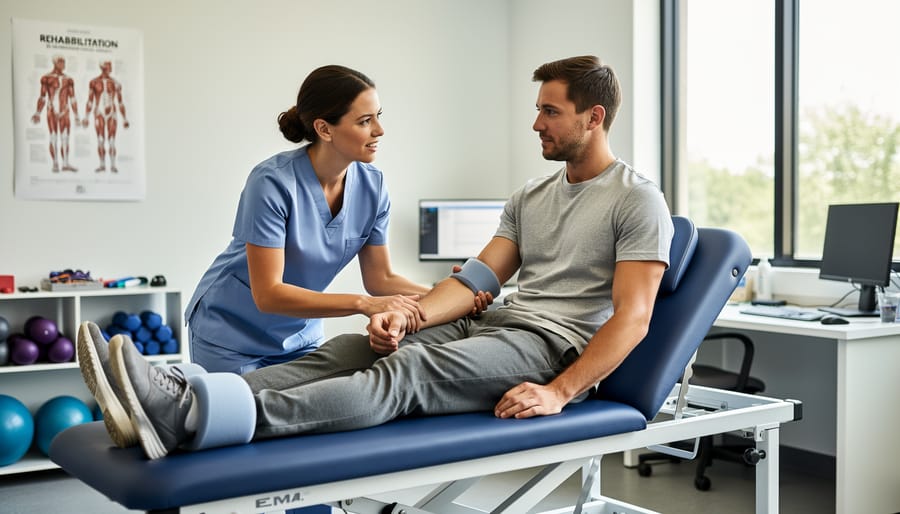
Think of healing science and rehabilitation as two halves of one conversation. Findings from the lab, such as how tendon fibers realign when they’re gently loaded or how nerves respond to repeated practice, help shape the exercises, timing, and techniques you meet in the clinic. When researchers learn that tissue heals best with the right amount of movement, therapists can build that insight into a recovery plan.
The conversation also runs the other way. Therapists notice things day after day that a lab can’t capture. One person may regain shoulder motion faster than another with a similar injury, or a certain approach may ease pain without slowing healing. Those observations raise new questions, and researchers take them back to the lab to explore.
This steady exchange keeps care grounded in evidence while staying connected to real life. It’s also why an interdisciplinary team matters, since each professional brings a different view of how recovery unfolds.
How Researchers Test New Compounds Through Tissue Repair Studies
What Researchers Look For as Tissue Heals
When researchers study how tissue heals, they look at a mix of measurable signs and personal experiences. No single number tells the whole story.
Tissue strength is one of the main markers. In lab and preclinical work, scientists test how much force a repaired muscle, tendon, or bone can handle before it gives way. Swelling is another clue. Less inflammation over time often suggests the body is moving through healing in an orderly way.
Movement matters just as much. Researchers track how fully a joint bends, how smoothly a limb moves, and how steady someone is on their feet. For nerve injuries, they check how well signals travel and how the body responds to touch, temperature, or gentle pressure.
Then there is the part that no scan can capture. How much pain does someone feel during a normal day? Can they climb stairs, hold a coffee cup, or get back to work and hobbies? Patient-reported comfort and function are collected through questionnaires and interviews, and they carry real weight.
A repaired tendon might look strong on paper, but if a person still can’t enjoy daily life, the picture is incomplete. That’s why good research gives patient experience the same attention as lab results.
Safety, Ethics, and Participant Protection
Before anyone joins a tissue repair study, they’re given a clear picture of what to expect. This process is called informed consent. Researchers explain the purpose of the study, what participation involves, possible risks and benefits, and the fact that a person can say no or step away at any time without affecting their regular care. Questions are welcome, and families are often invited to take part in those conversations.
Studies are also checked by an independent review board, a group of doctors, scientists, and community members who aren’t part of the research team. They look at the plan before it begins and keep watching as it moves forward. If something looks unsafe, they can pause or stop the work.
Testing happens in careful steps, starting small and moving forward only when earlier results look safe. That pacing exists to protect participants. If you’re curious about research, ask your care team what to look for and which questions to bring along.
Types of Tissue Repair Studies and the Compounds They Explore
Study Types at a Glance
Researchers use three main kinds of studies to learn about tissue repair, and each answers a different question.
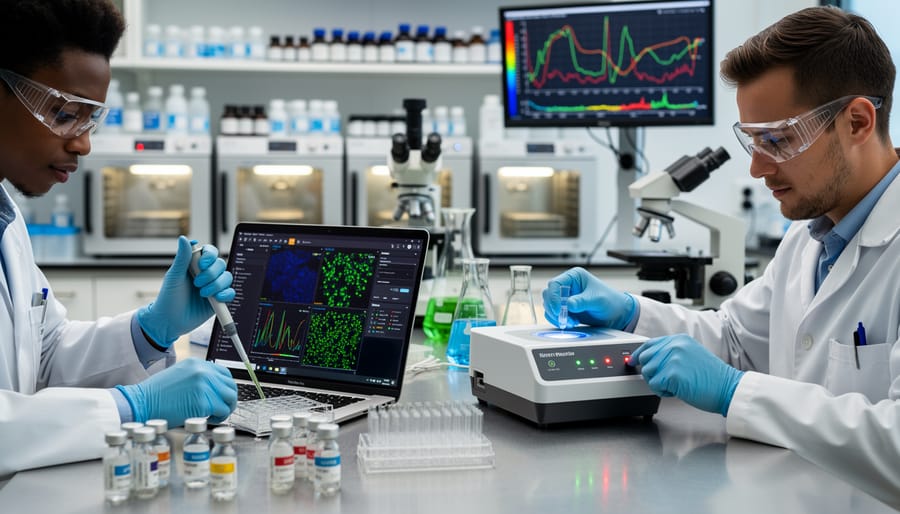
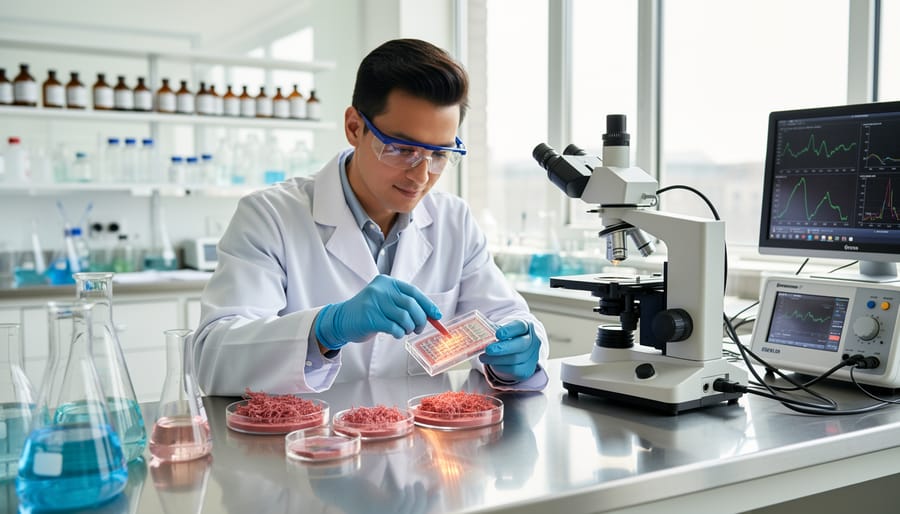
Laboratory studies look at cells or small tissue samples in a dish. They are good for seeing how a compound affects the basic building blocks of healing, such as how quickly cells multiply or how they respond to inflammation. What they can’t tell us is how a whole body behaves. A cell in a dish has no blood supply, no movement, and no immune system.
Preclinical studies test a compound in living animals under careful ethical oversight. They show how healing unfolds in a complete biological system, including how a compound is absorbed, whether it causes side effects, and whether repaired tissue holds up under load. Still, animals heal differently from people, so results are a promising signal rather than proof.
Clinical trials involve people, and they move in phases. Early phases focus on safety and the right dose. Later ones ask whether the compound helps participants heal faster, move better, or feel less pain, compared with standard care. This is the stage that most directly informs what rehabilitation teams can recommend.
No single study type gives the full picture. Confidence grows as findings hold up across all three.
How Tissue Repair Research Shapes Real-World Rehabilitation
Research findings only matter if they change what happens in the clinic. When tissue repair studies show how and when different tissues heal, rehabilitation teams use that knowledge to decide when to start movement, how much load a healing tendon can handle, and which techniques fit each stage of recovery. A bone, a nerve, and a muscle all heal on different timelines, so the evidence helps clinicians avoid pushing too hard too early or waiting too long.
Research also shapes combined approaches. Movement-based therapy is already well supported, and studies of new compounds ask whether certain substances might work alongside it. Until the evidence is solid, your team keeps relying on proven methods and treats emerging options as questions still being answered. That caution is what keeps evidence-based decisions honest.
No single professional interprets this research alone. A physiatrist or physician weighs medical risks and treatment options. Physiotherapists translate healing timelines into exercise plans, while occupational therapy turns those plans into everyday tasks like dressing, cooking, or returning to work. Speech-language pathologists apply what’s known about nerve and tissue recovery to swallowing and communication. Each member of your healthcare team brings a different lens, and together they decide what the evidence means for you.
Here is a composite example, not a real patient. Imagine someone recovering from a shoulder repair. Research on tendon healing tells the physiotherapist to begin gentle, protected movement early, then gradually increase load. The occupational therapist adapts daily routines so the shoulder isn’t overworked at home, and a physician monitors pain and inflammation. Remote check-ins through e-rehab help them stay on track between visits. When progress is slower than expected, the plan changes. That flexibility is what personalized recovery looks like in practice: solid research as the foundation, with the plan shaped around the person.

Common Questions About Tissue Repair Studies and New Compounds
Reading about new research can bring up a lot of hope and a lot of questions. Here are some of the ones we hear most often, answered plainly.
Does an emerging compound mean a treatment is available now?
Not usually. A compound that shows promise in early studies still has to pass many careful stages before it can become an approved treatment, and many never get there. Early results are encouraging, but they are not the same as proven care.
How long does testing take?
It often takes years, because each stage must confirm safety and effectiveness before the next one begins. That pace is deliberate, since it protects the people who may one day use the treatment.
Can I take part in a study?
Possibly. Each study has specific eligibility requirements, and you would receive full information and give informed consent before joining. Your care team can help you understand what participation would involve and whether it suits your situation.
How do I know if a therapy is evidence-based?
Look for approaches supported by well-designed studies, ideally reviewed by independent experts, and backed by professional guidelines. If a claim sounds too good to be true, or relies on a single story rather than broad research, it is worth asking more questions.
When you come across a headline or article that catches your eye, bring it to your next appointment. Jot down what you read, where you found it, and what you hope it might mean for your recovery. A good care team welcomes this kind of conversation, and it often leads to a useful discussion about how new findings fit with your personal goals.
Your physiotherapist, occupational therapist, or physician can help you separate early-stage promise from established practice. They can also explain how your current plan already draws on the best available evidence, so you can feel informed rather than overwhelmed. No question about your own recovery is too small to ask.
Moving Forward With Confidence
Tissue repair research moves in careful steps, and that is exactly what makes it trustworthy. Each study, from early lab work to closely monitored human trials, helps researchers learn whether a new compound is safe and whether it truly helps the body heal. Progress takes time, but the process is built to protect people.
In the meantime, you don’t have to wait for the next discovery to make real gains. Today’s best rehabilitation already blends proven therapies with a plan shaped around your body, your goals, and your daily life.
At Mackay Therapy and Rehabilitation, physiotherapists, occupational therapists, speech-language pathologists, and physicians work side by side so that every part of your recovery is considered. If you’ve read about a new treatment or have questions about how research might fit into your care, bring them to your team. Your curiosity is welcome, and your goals guide everything we do. Recovery is a partnership, and you’re never walking it alone.